Buying advice / Living Room
Book Storage Ideas: Bookcases, Wall Shelves, or Low Cabinets?
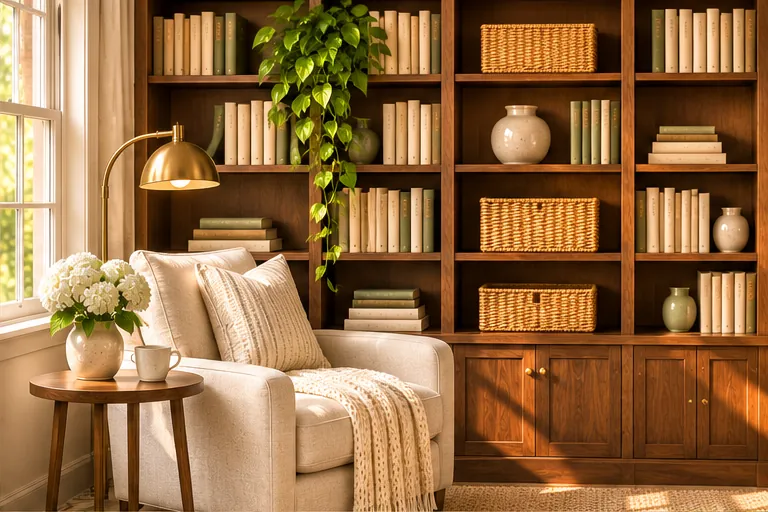
Books are heavier than many decorative objects, and a pretty shelf in a room photo may not be rated for a real collection. Choose storage by the books you own, the wall and floor beneath it, and who needs to reach them.
Shop this guide
Products to consider
As an Amazon Associate I earn from qualifying purchases. Product illustrations are representative; check Amazon for actual photos, sizes and current details before you buy.
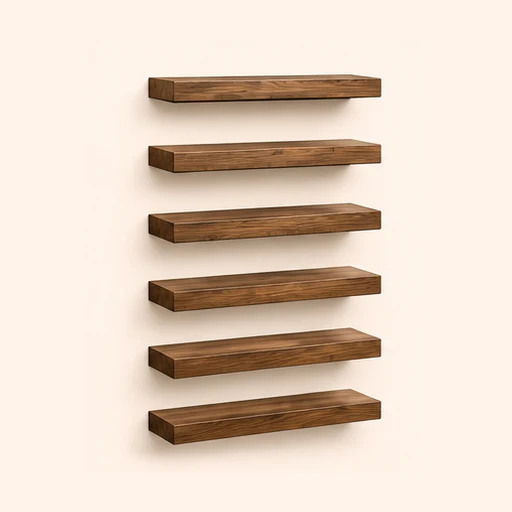
Floating Shelves Set of 6 for Wall Decor & Storage, Rustic Brown
Six rustic-brown floating shelves provide enough pieces to spread small displays across a larger wall area.
View on Amazon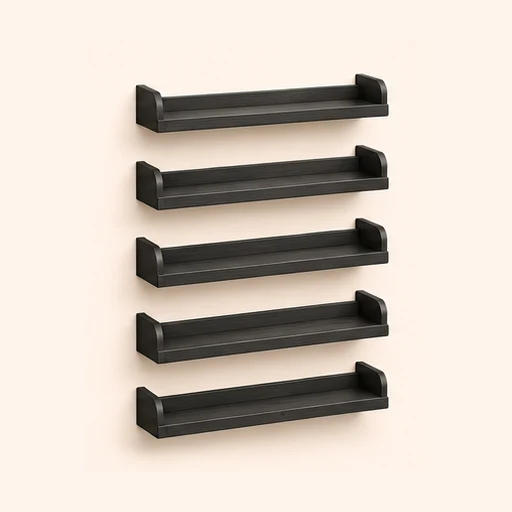
RICHER HOUSE 5-Set Floating Shelves with Lip, Black Wall Mounted Wood Shelf
RICHER HOUSE's five black wood shelves feature a raised lip that helps define the front edge of a display.
View on Amazon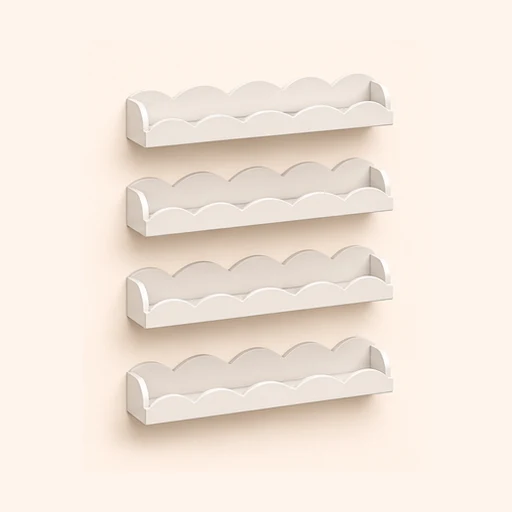
Shario Nursery Book Shelves, 4-Pack White Floating Shelves for Wall Kids, Scalloped Shelves, Wall Book Shelves…
Four white scalloped Shario nursery book shelves provide a decorative way to arrange children's books; mount securely.
View on Amazon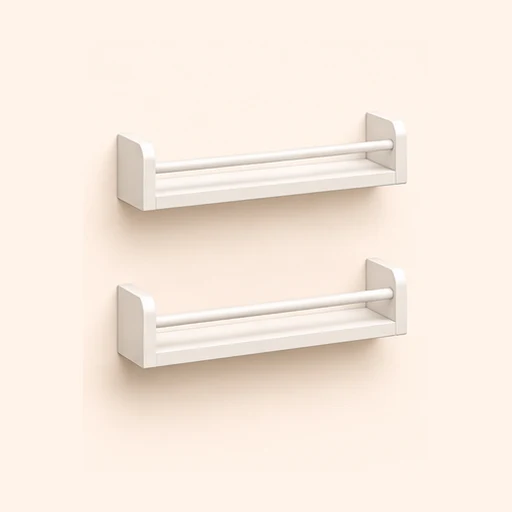
Floating Shelves Set of 2, Small Wall Shelf with Lip, 16in, White
Two white 16-inch shelves with a front lip suit a coordinated pair of display ledges.
View on AmazonInventory books and the space they need
Group books loosely by height and format: small paperbacks, hardcovers, large art books, reference volumes, and children’s books. A shelf made for decorative objects may have too little depth for oversized books, while one large cabinet may be difficult to reach behind.
Measure the longest book, then add a little clearance for a hand to remove it. Measure the usable wall width from baseboard to adjacent door swing, not just an empty section of drywall. Check outlets, heating equipment, vents, and walking paths before choosing a location.
If you are deciding whether to buy a new shelf, first try editing or rotating the collection. Donate duplicates where appropriate, move rarely used volumes to existing closed storage, or use one current shelf more efficiently. Buying another unit is not automatically the answer.
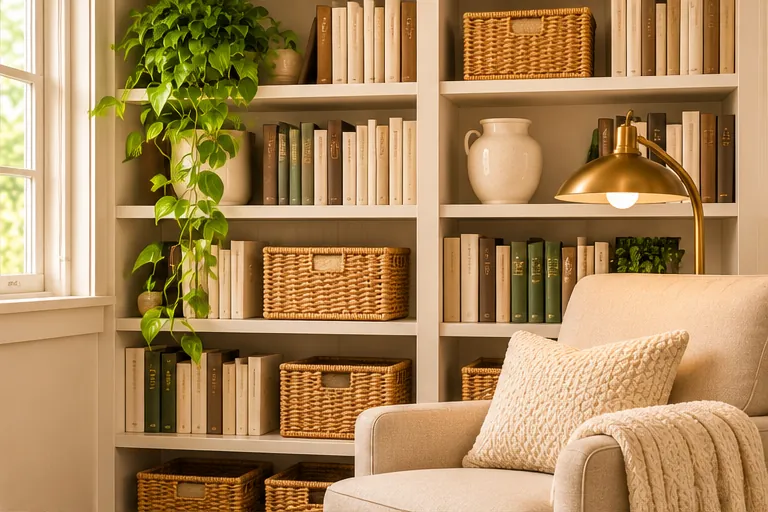
Bookcase versus wall shelf versus low cabinet
A freestanding bookcase can concentrate a substantial load in one piece of furniture. Compare its shelf depth, adjustable shelf positions, per-shelf load ratings, total load limits, and recommended anti-tip restraints. A tall narrow unit can be especially vulnerable if it is not properly secured.
A wall-mounted shelf keeps the floor clear but transfers its load to wall brackets, fasteners, and the actual wall structure. Do not estimate a safe book load by appearance. Use the manufacturer’s tested ratings and installation instructions for that exact shelf and wall type. A generic drywall-anchor claim is not enough for a whole row of hardcovers.
A low cabinet can keep books away from visual clutter and may place frequently used volumes within easier reach. But doors need swing clearance, enclosed shelves can be dark, and a shallow cabinet may not hold larger books upright. Consider who will retrieve them and whether kneeling is comfortable.
Treat weight and tip-over risks seriously
Paper adds up quickly. Even if the individual books feel light, a long row can create a meaningful sustained load. Never assume the top shelf is the best place for the heaviest volumes. Keep heavier items low where appropriate and follow the furniture maker’s permitted loads and anchoring recommendations.
The U.S. Consumer Product Safety Commission advises anchoring furniture to reduce tip-over hazards. This is particularly important where children may climb or pull on shelves. Anti-tip hardware is not a substitute for using the correct fasteners and a compatible wall structure.
If a shelf bows, the unit wobbles, screws loosen, or flooring is unstable, stop loading it. A professional installer may be appropriate for heavy shelving, masonry mounting, built-ins, or uncertain framing.
Make the collection useful, not merely attractive
Place books where they are actually read. A reading corner often benefits from a small number of accessible titles and good lighting rather than a room-length bookcase. Children’s books generally need storage they can safely reach without climbing. Home libraries can use labels by subject or author, but simple broad groupings may be easier to maintain.
Think about dust and light. Open shelves display covers but require routine cleaning, while doors reduce some dust exposure at the expense of immediate visibility. Direct sunlight can fade some covers; do not place collections in areas with repeated leaks or dampness.
Leave space for the collection to expand modestly. A shelf packed tight from edge to edge can make retrieving a book difficult and encourage piling books in unsafe locations.
Measure the full delivery and setup route
Before buying a large bookcase, check packaged dimensions, lift and stair access, door widths, assembly requirements, and whether it can be positioned without blocking exits. A unit that fits against the wall may not fit through the route to reach that wall.
Check the exact manufacturer installation directions, shelf and total weight ratings, anchoring requirements, seller-specific returns, and any oversized delivery charges. Use our furniture route tools and save your wall dimensions with My Room Project.
Frequently asked questions
Practical answers about book storage ideas, fit and everyday use.
How deep should shelves be for my books?
Measure the tallest and deepest books you intend to store and allow room to grip them. Check the shelf load rating and anchor furniture as directed.
What is the best bookcase for small spaces?
A tall, narrow bookcase anchored to the wall uses vertical space; corner units and shallow shelves keep walkways clear.
Is a DIY bookcase worth building?
It can be if you need an unusual size, but plan shelf spans and supports for the weight of books, and anchor tall units to the wall.
Do I need to anchor a freestanding bookcase?
Follow the manufacturer’s instructions and CPSC tip-over prevention advice. Anchoring is especially important where children may access or climb furniture.
Are floating shelves safe for a full row of hardcovers?
Only if the entire shelf system, fasteners, wall structure, and installation support the actual load. Do not infer strength from photos.
Is low or tall storage better for a small room?
Tall units may use vertical space but demand secure installation; low cabinets can improve accessibility but consume more floor area. Measure circulation and reach before choosing.
Should heavy art books go on the bottom shelf?
Yes, lower shelves reduce the need to lift heavy books overhead and can improve the arrangement's stability; always respect the shelf's load rating.
How do I store books where direct sunlight enters?
Avoid prolonged direct sun on spines and covers, and keep books away from damp walls to limit fading and moisture damage.
Sources and further reading
These sources support general care, safety, or consumer guidance, not the performance of any particular product.
Independent educational guidance, not a hands-on product review. Verify exact-model specifications, mounting requirements, care instructions, and retailer policies before purchase. Disclosure.