Practical How-To / garage storage ideas
Garage Storage Ideas: How to Create Safe Storage Zones
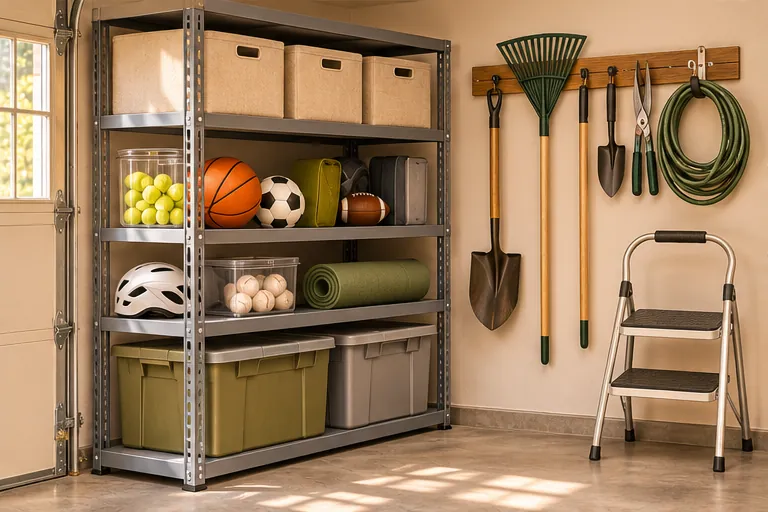
Plan garage storage zones around movement, weather, heavy objects and safe handling of hazardous household products.
Shop this room
Popular picks for your garage
As an Amazon Associate I earn from qualifying purchases. Product illustrations are representative; check Amazon for actual photos, sizes and current details before you buy.
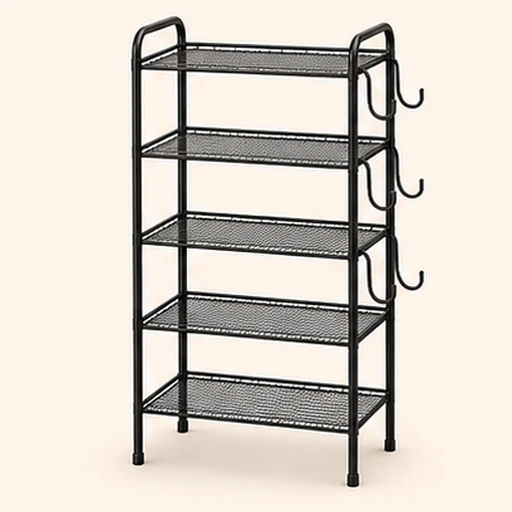
5-Tier Storage Shelves with Hooks, 18.1" x 12.4" x 56.8", Black
At 18.1 × 12.4 × 56.8 inches, this narrow five-tier black rack uses vertical space and adds hooks for accessories.
View on Amazon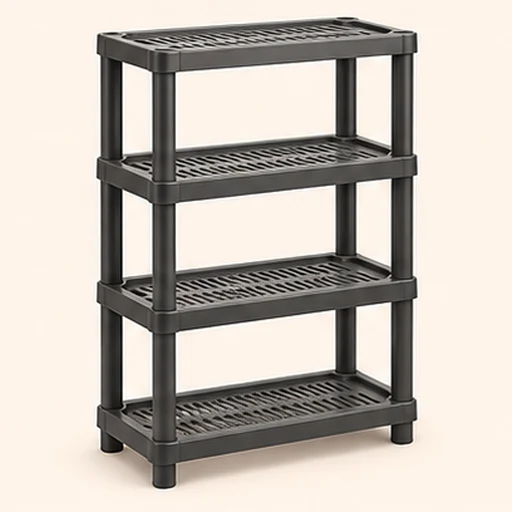
Plano 4-Shelf Plastic Storage Shelves, 48” x 23” x 14”, 200lb Capacity, Pantry, Office, Closet and Garage…
Plano's four-shelf plastic unit is listed at 48 × 23 × 14 inches; compare the manufacturer's load rating with your storage needs.
View on Amazon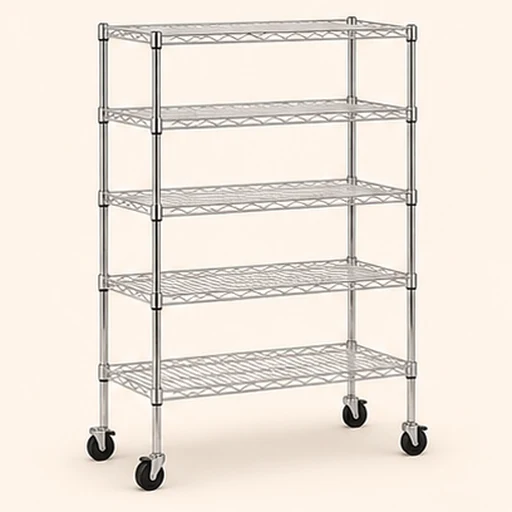
Amazon Basics 5-Shelf Heavy Duty Garage Shelving Storage Rack with 4" Wheel Casters, Adjustable Metal Wire…
The Amazon Basics five-shelf wire rack has adjustable levels and four-inch casters for a movable storage setup.
View on Amazon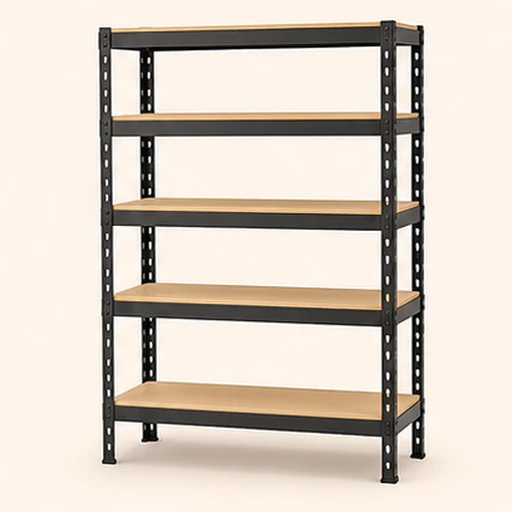
5‑Tier Garage Shelving, Adjustable Metal Shelves Units
Five adjustable metal shelves let you change the spacing for different box heights; confirm the footprint and load rating.
View on Amazon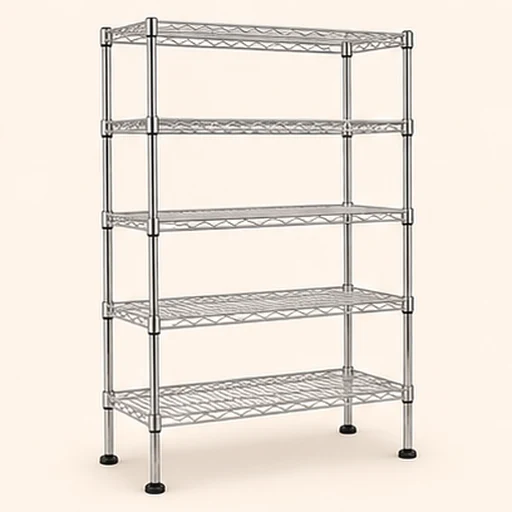
Storage Shelves, 5-Tier Metal Shelving Unit with Leveling Feet, Shelf Organizer for Garage, Kitchen, Pantry and…
Leveling feet make this five-tier metal shelving a candidate for floors that are not perfectly even.
View on Amazon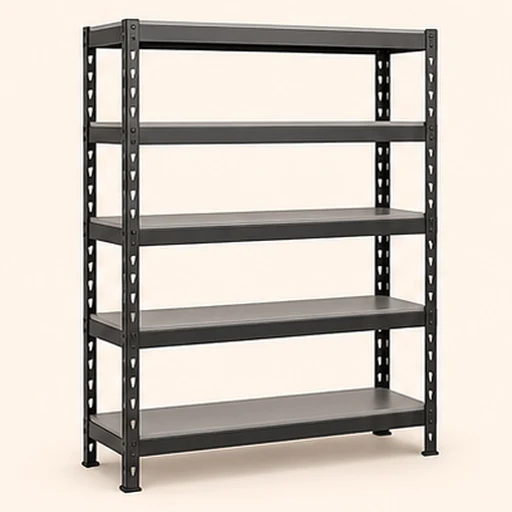
Storage Shelves,Garage Shelving,Adjustable Heavy Duty Shelving Unit,5T Tall Garage Shelves,Metal Standing Shelf…
This tall adjustable five-tier metal unit offers flexible spacing for taller garage storage containers.
View on Amazon1. Separate parking, walking and work zones
Measure the usable garage when vehicles, doors and storage items occupy their normal positions. Draw the vehicle-door swing, pathways, workbench access and overhead-door travel. Keep exits, electrical equipment and required safety devices accessible. Do not use a nominal wall dimension when a car mirror or opening door consumes part of it.
Take everything off the floor in small manageable groups, not one giant pile that blocks access. Sort into frequently used, seasonal, heavy, hazardous and disposal categories. Place objects you never use on a review list before buying additional cabinets.
2. Put heavy and frequently used items where they belong
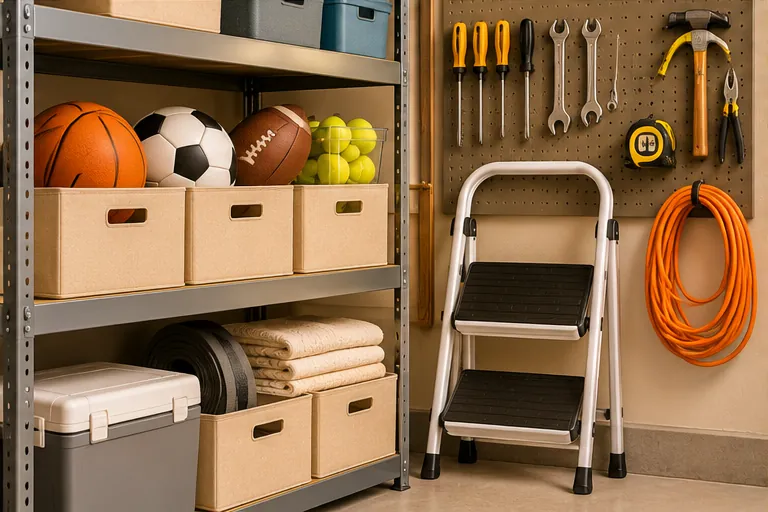
Store dense items low on stable supports rather than on high shelves. Make common tools reachable without climbing. Inspect old cabinets and racks for corrosion, loose connections or visible damage. Capacity must come from the exact manufacturer-rated configuration, not from a generic shelf rule.
Do not install overhead racks or ceiling storage unless the supporting structure and hardware have been properly assessed for the intended load. Vehicle clearance and door motion need explicit testing. When attachment conditions are unknown, consult a qualified professional rather than guessing at joist capacity.
3. Handle chemicals separately from normal supplies
Keep chemicals in original labeled containers with instructions intact. Follow label and safety-data guidance for temperature, ventilation, segregation and accessibility to children and pets. Do not place fuels, solvents or pesticides wherever there happens to be a spare bin.
If a substance has leaked or the label is missing, use local hazardous-waste guidance rather than pouring it down a drain or combining it with another product. Garage heat, freezing conditions and ignition sources can make ordinary-looking storage decisions unsafe.
4. Build a low-friction tool return system
Group hand tools near the work area, sporting equipment near the route outside, and car-care items together when their storage requirements permit. Clear labeling and visible hooks for suitable lightweight items can be more effective than stacking opaque tubs.
Keep sharp tools secure, cords coiled without crushing them, and chargers in manufacturer-approved locations. Use a small test group before buying an entire modular wall system. If children can enter the garage, treat storage height and locks as safety choices, not only neatness choices.
5. Review the plan after one normal week
Walk through with the vehicle parked, open every relevant door and retrieve an item from each zone. Check where objects migrate to the floor. Adjust existing shelves or labels before investing in more units. Photograph the final layout so the return locations are clear.
If you do need cabinets or shelving, document wall conditions, floor condition, exact manufacturer capacities and delivery route. Our utility cabinet guide and wall shelf guide address the buying decision; this article is a workflow and safety plan.
Products to compare
As an Amazon Associate I earn from qualifying purchases. These are related options from our buyer-guide research, not hands-on tested rankings. Check current listing details, fit and availability before ordering.
- Plano 4-Shelf Plastic Storage Shelves, 48” x 23” x 14”, 200lb Capacity, Pantry, Office, Closet and Garage… — Plano's four-shelf plastic unit is listed at 48 × 23 × 14 inches; compare the manufacturer's load rating with your storage needs. View on Amazon (paid link).
- Amazon Basics 5-Shelf Heavy Duty Garage Shelving Storage Rack with 4" Wheel Casters, Adjustable Metal Wire… — The Amazon Basics five-shelf wire rack has adjustable levels and four-inch casters for a movable storage setup. View on Amazon (paid link).
- Storage Shelves, 5-Tier Metal Shelving Unit with Leveling Feet, Shelf Organizer for Garage, Kitchen, Pantry and… — Leveling feet make this five-tier metal shelving a candidate for floors that are not perfectly even. View on Amazon (paid link).
See the complete buyer guide for more options and fit checks.
Frequently asked questions
Practical answers about garage storage ideas, fit and everyday use.
How can I organize a garage without losing parking space?
Mark the vehicle footprint and door-opening zones first. Use wall storage and shallow shelving outside those zones, keeping access to utilities clear.
Is overhead garage storage safe?
Only when the exact mounting structure, hardware, loads and clearances have been verified; do not assume every garage ceiling is suitable.
Where should heavy storage bins go?
On stable, low shelves or floor-level storage that does not obstruct routes or create access hazards.
Can chemicals share a cabinet?
Compatibility depends on product-specific instructions and hazards; follow labels and safety guidance rather than grouping by appearance.
How should garage storage separate garden chemicals from tools?
Follow product labels and local safety guidance, keep hazardous materials secured, and avoid placing them near heat or incompatible supplies.
Can I use garage ceiling racks for seasonal bins?
Only when the structure and rack are rated for the load and installed as directed; never guess at joist or ceiling capacity.
Sources and further reading
These are general safety and consumer references, not verification of an individual product.
Independent educational guidance, not a hands-on product test. Check manufacturer instructions, property rules and applicable safety requirements. Affiliate disclosure.
What we know, and what still needs checking
Compare the existing product selections in Garage Shelving and Storage. Check the exact model dimensions and instructions before ordering.