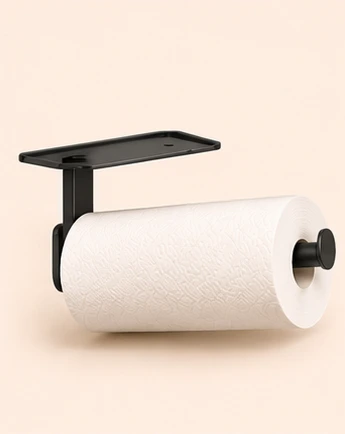
Black Paper Towel Holder, Self Adhesive Paper Towel Holder Under Cabinet
A black self-adhesive under-cabinet paper towel holder frees counter space; confirm that the mounting surface is suitable.
Set aside an everyday zone and measure each cabinet opening at the hinges. Match each organizer to the shelf that actually causes a problem.
As an Amazon Associate I earn from qualifying purchases. Product illustrations are representative. View Amazon for actual product photographs and specifications.
A black self-adhesive under-cabinet paper towel holder frees counter space; confirm that the mounting surface is suitable.
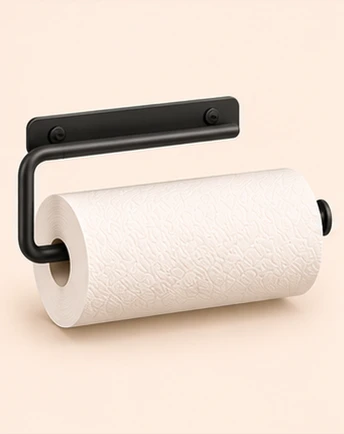
This matte-black holder offers self-adhesive or drilled installation, giving you a choice of mounting methods.
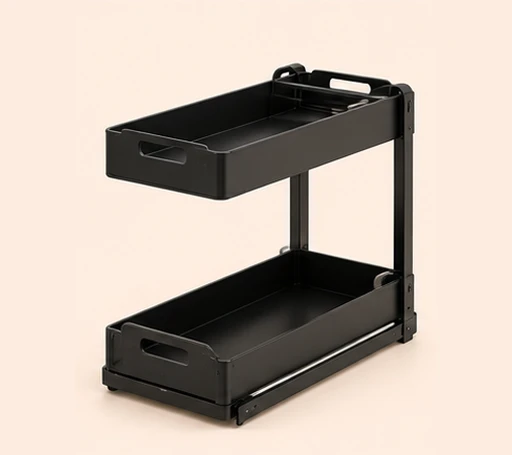
An L-shaped two-tier pullout can leave space alongside the sink drain while storing bottles at two heights.
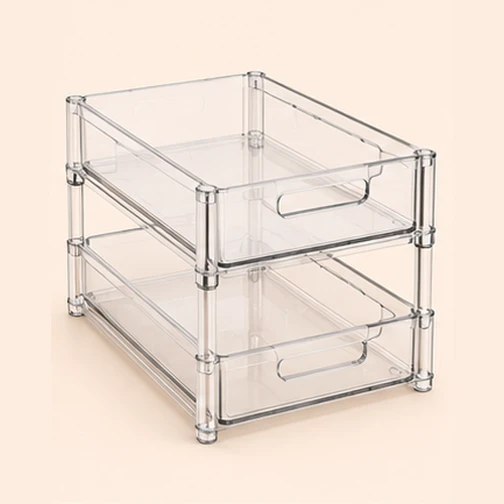
Delamu's stackable two-tier organizer is useful for arranging small supplies on different cabinet levels.
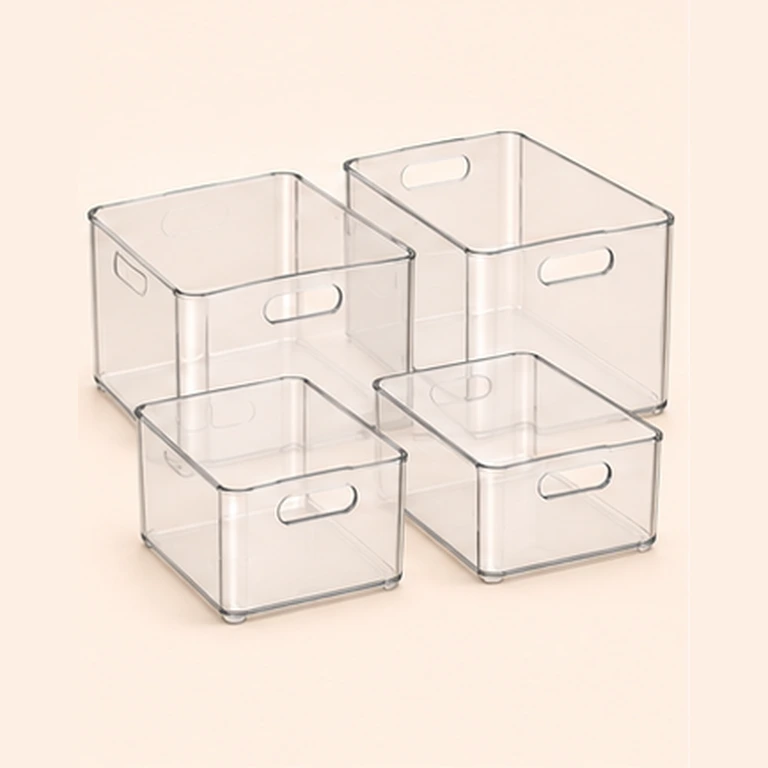
Tiawudi's twelve-pack of plastic bins provides multiple containers for sorting packets, snacks or cleaning supplies.
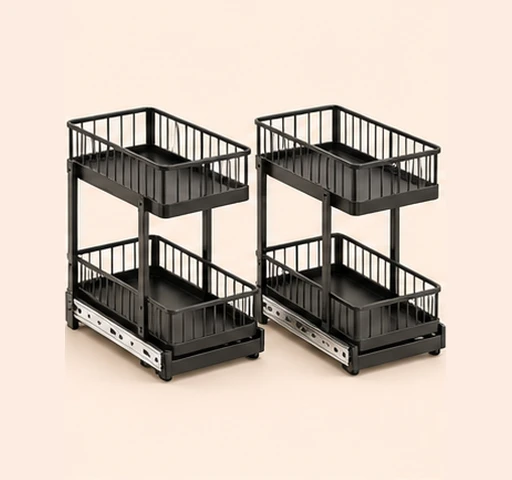
Two DEKAVA two-tier sliding basket organizers offer separate pull-out compartments for cabinet contents.
Kitchen cabinets organization starts by grouping dishes, cookware and food storage items by use. Keep the most frequently used items close to where you prepare or serve food.
Measure shelf spacing and door clearance before choosing racks or bins. Consider shelf risers to use vertical gaps and pull-out organizers for deeper cabinets.
Measure the usable opening between hinges before choosing cabinet bins or racks.
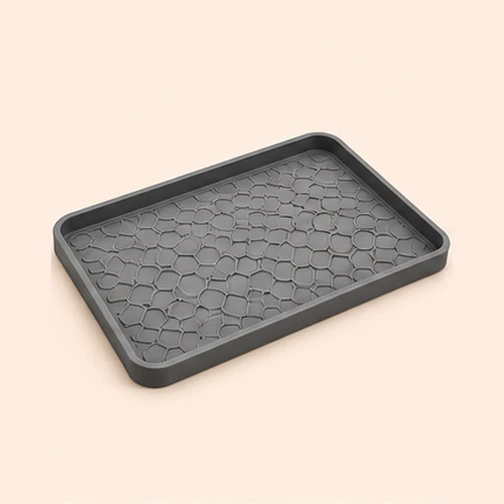
Jin&Bao's 34 × 22-inch silicone liner creates a waterproof surface beneath sink plumbing; check pipe cutouts.
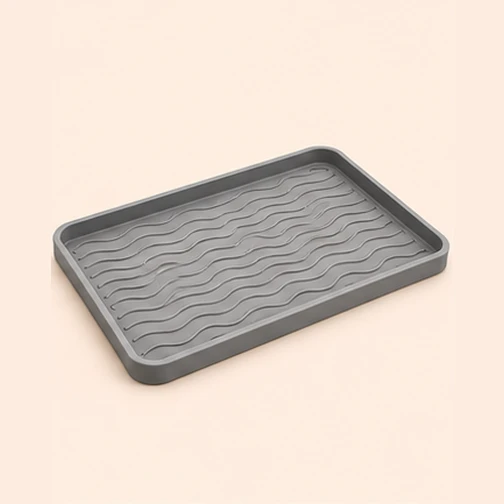
TigeJoy's 34 × 22-inch waterproof cabinet liner covers a broad section of the cabinet floor.
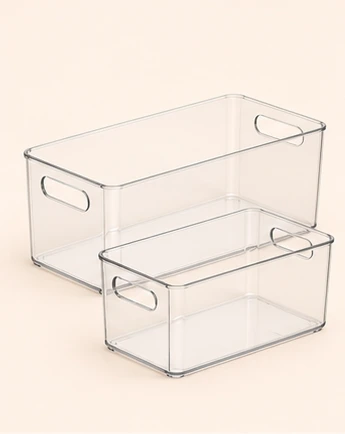
ClearSpace's transparent plastic bins let you group supplies while keeping their contents easy to identify.
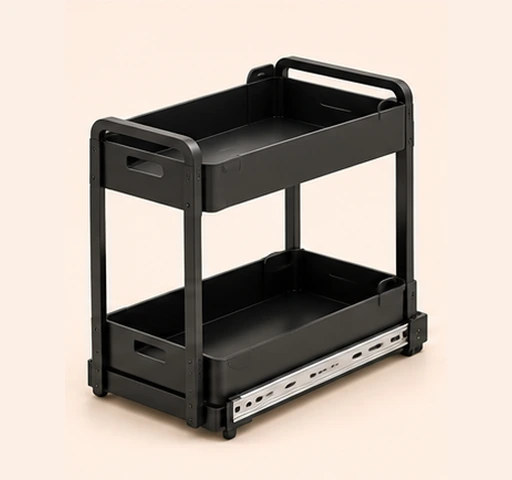
A thickened L-shaped two-tier pullout is an option for utilizing the side of a cabinet around plumbing.
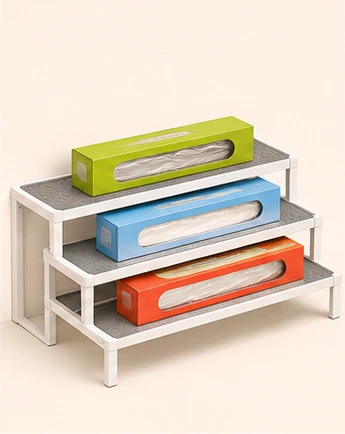
EVERIE's expandable three-tier shelf is specifically intended to separate foil and wrap boxes for easier access.
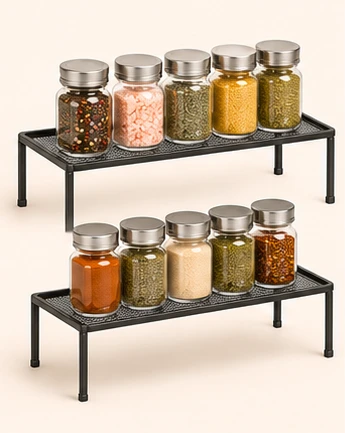
Two SONGMICS cabinet shelves provide additional levels for grouping seasonings or small kitchen items.
Kitchen cabinet organization ideas should reduce the need to move several items to reach one. Group lids upright, stack compatible containers and use trays to collect smaller supplies.
Check that pull-out racks clear hinges and cabinet frames. Keep heavier cookware on lower shelves and choose organizers that can be removed for cleaning.
Check plate and cup height beneath shelf risers; avoid stacking fragile items beyond their stable footprint.
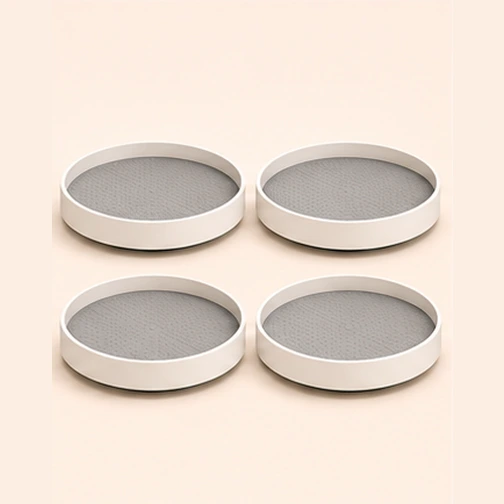
Four 10-inch nonskid Lazy Susans let you rotate separate groups of small bottles in different cabinets.
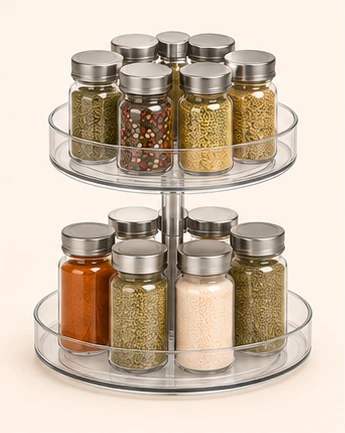
LAMU's 9.25-inch two-tier turntable stacks spice storage vertically; measure available height before buying.
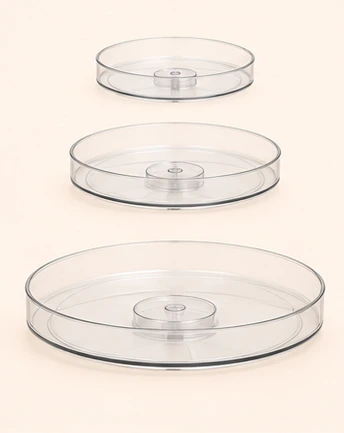
The three LAMU turntables measure 9.25, 10.6 and 12 inches, allowing different sizes for different shelves.
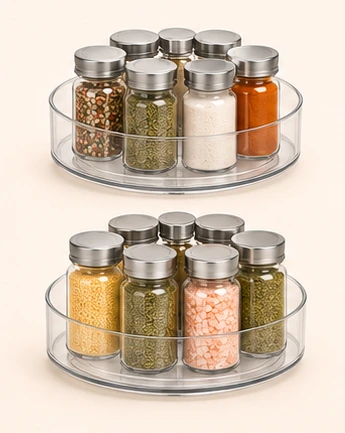
Two LAMU nine-inch rotating organizers suit smaller cabinet areas where a larger turntable would be awkward.
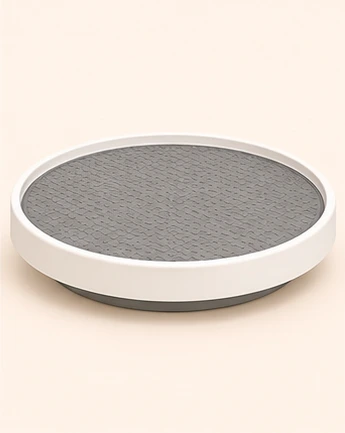
Copco's 18-inch nonslip white-and-gray turntable offers a broad rotating surface for a deeper cabinet.
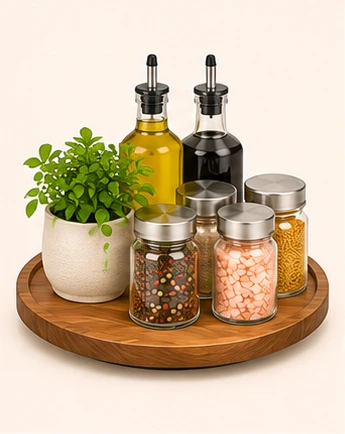
A ten-inch acacia wood Lazy Susan adds a natural finish while keeping jars accessible around its rotating surface.
Lazy Susan ideas are especially useful for spices, condiments and small containers that tend to disappear at the back of a cabinet. A turntable brings items toward the opening.
Measure the available diameter and height, including the door frame. Choose a rim or non-slip surface if needed to keep containers in place while turning.
Measure the turning circle of a lazy Susan and allow room for protruding handles or bottles.
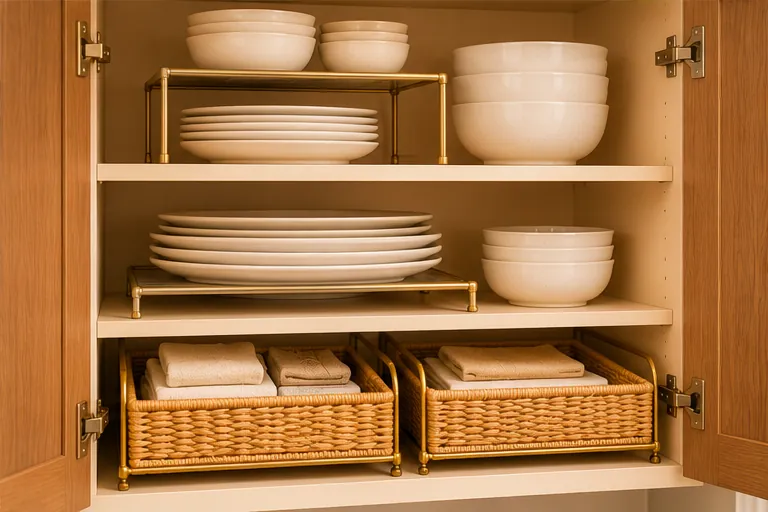
How to evaluate these options: compare usable cabinet width, hinge clearance, shelf height and access to stored items. The cards offer practical product-type suggestions, not hands-on test results. Confirm the exact listing, dimensions, installation instructions and current availability on Amazon before buying.
A riser creates an extra level for dishes. An under-shelf basket uses the space below a shelf for lighter items.
Check fit Measure the clearance above each stack and check shelf thickness and door swing.
A turntable brings jars and bottles forward in a deep corner. A pullout tray brings the contents of a rectangular cabinet forward together.
Check fit Check the full turning circle or drawer travel, including hinge interference.
A vertical divider makes pans and cutting boards easier to lift out. A door rack frees shelf space for deeper items.
Check fit Close the door over a cardboard template before buying.
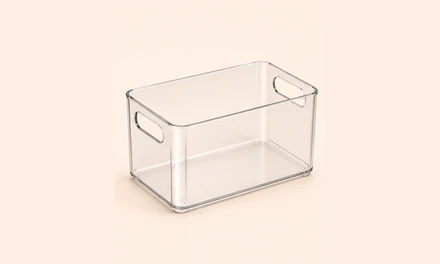
The mDesign clear pantry bin with handles is useful for pulling a grouped set of ingredients forward.
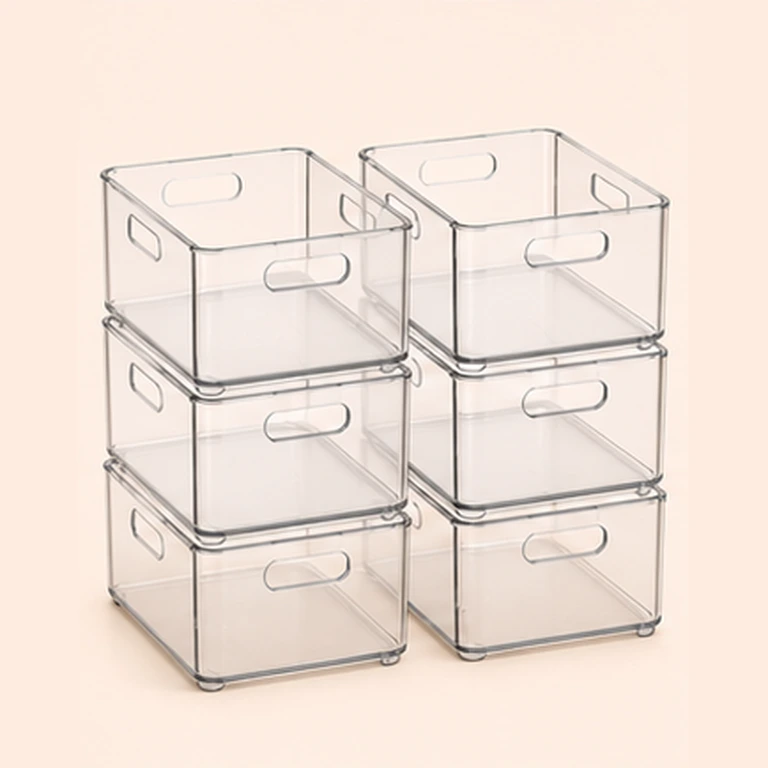
YIHONG's six large handled clear bins are suited to creating multiple visible storage zones across shelves.
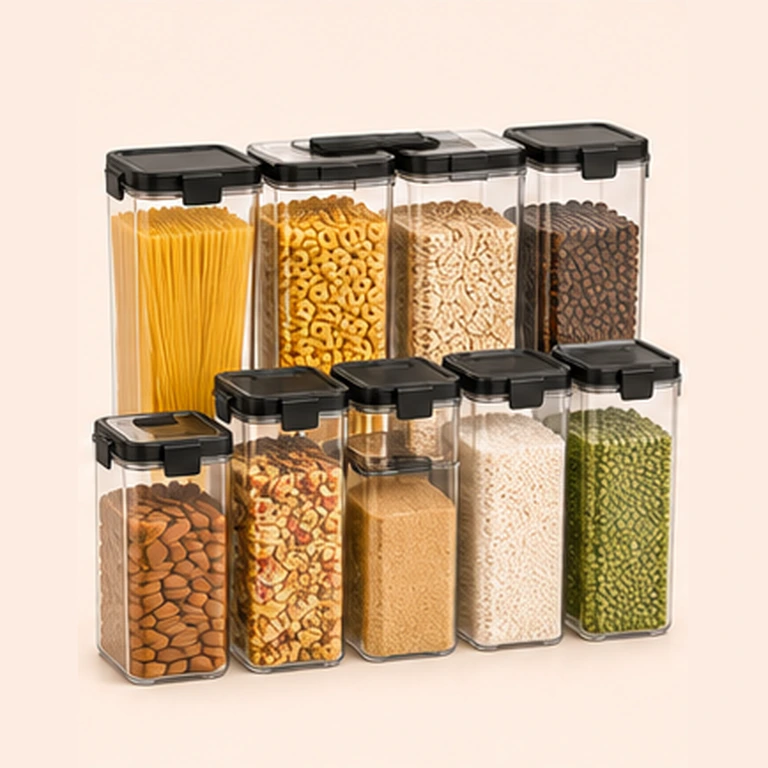
Vtopmart's 24-piece airtight container set with black lids is intended to organize dry goods in matching containers.
Use the clear opening between hinge hardware and the opposite side.
Measure between hinges rather than only the cabinet opening, especially for pull-out organizers.
Use it for bottles or jars that are hard to reach behind the front row.
Check riser capacity and leave room to lift dishes off both levels.
Keep it within easy reach on a shelf rated for the load.
Try moving everyday items forward first. A pullout helps when deep space still goes unused.
Measure the door opening and the route items must take around the corner.
Standard base cabinets are generally about 24 inches deep, and upper cabinets are traditionally about 12 inches deep. That difference decides what fits where: dinner plates and glasses suit uppers, while pots, small appliances and bulk items suit bases.
Measure each cabinet's inside depth, width at the opening and the face frame, if there is one. Hinges and face frames often make the usable opening narrower than the box, which matters for any organizer that slides in.
Keep everyday dishes and glasses in the upper cabinet nearest the dishwasher or sink, on the lowest shelf you can reach without stretching. Put heavy items, such as cast iron and mixers, in base cabinets near where you use them. Use the highest shelves for seasonal or rarely used pieces.
Group by task: a baking cabinet, a coffee and breakfast zone, food storage containers near the counter where you pack leftovers. A task-based plan stays tidy longer than one sorted by item type. Our small kitchen organization ideas walk through mapping storage to daily tasks.
Pull-out or roll-out shelves bring the contents of a deep base cabinet out into the light, so you are not kneeling and reaching to the back. For many lower cabinets they are one of the most useful upgrades.
Check three numbers before buying: the clear opening width (slides and hinges take space), the inside depth (many pull-outs come in 18- and 21-inch depths, which suits a standard base or an older shallower cabinet), and the load rating. For heavy items such as canned goods, slides rated for at least 100 pounds are a sensible minimum.
Corner cabinets: turntables or pull-out units; see blind corner cabinet organizers and lazy susans for cabinets . Cabinet doors: slim racks for lids or wraps, if the shelves leave clearance; see cabinet door organizers . Under the sink: work around pipes and leave the shutoff valves reachable; see under sink organization ideas .
Shelf risers can double usable space in uppers for mugs and small plates, but measure shelf height first so tall glasses still fit.
Empty one cabinet at a time, wipe it, and return only what you use. Duplicates, warped containers without lids and gadgets you have not touched in a year are the most common space-wasters.
Then measure and note what still does not fit. Buy organizers for those gaps only, and record the cabinet measurements in My Room Project so you can check sizes while shopping.