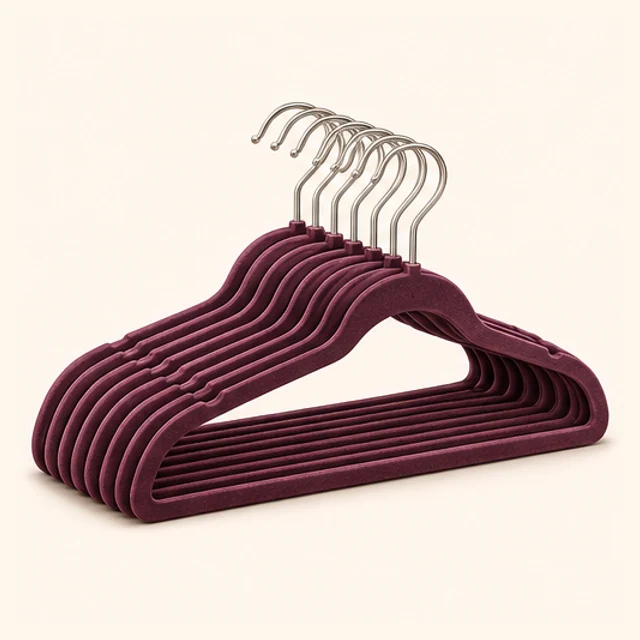
Slim velvet hangers
Best for Crowded shirt and jacket rails where thin, grippy hangers help save rod space.
Find storage for hangers, shelves, drawers, and shoes.
As an Amazon Associate I earn from qualifying purchases. Product illustrations are representative. View Amazon for actual product photographs and specifications.
Best for Crowded shirt and jacket rails where thin, grippy hangers help save rod space.
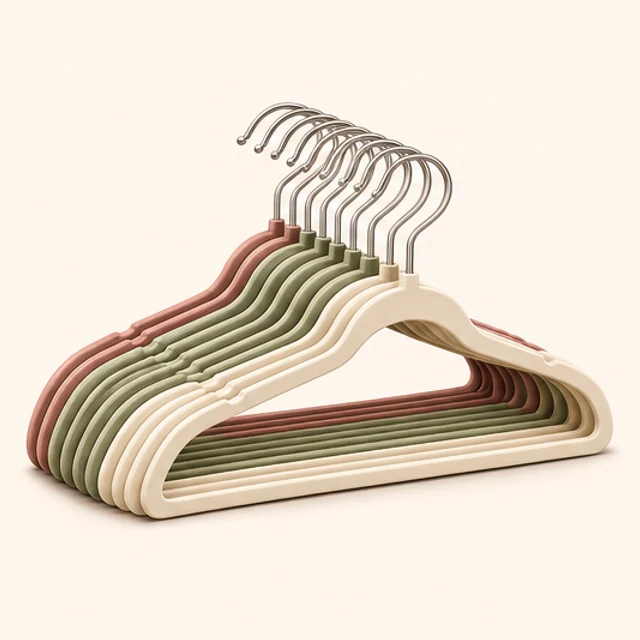
Best for Everyday shirts and blouses when you want a lightweight matching set.
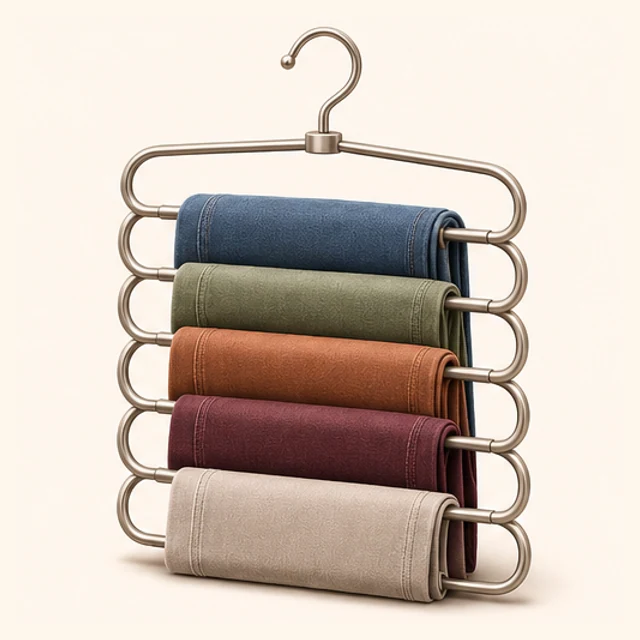
Best for Keeping leggings visible together without using one hanger per pair.
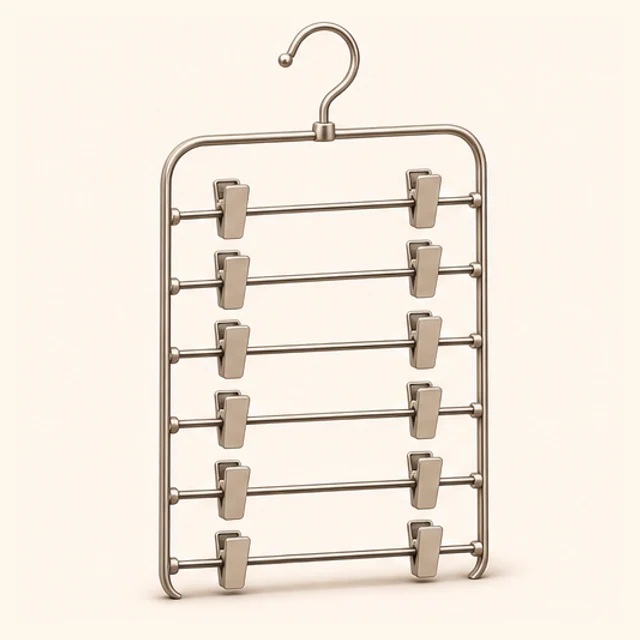
Best for Skirts and dress pants you want to clip in vertically. Check the drop below the rod.
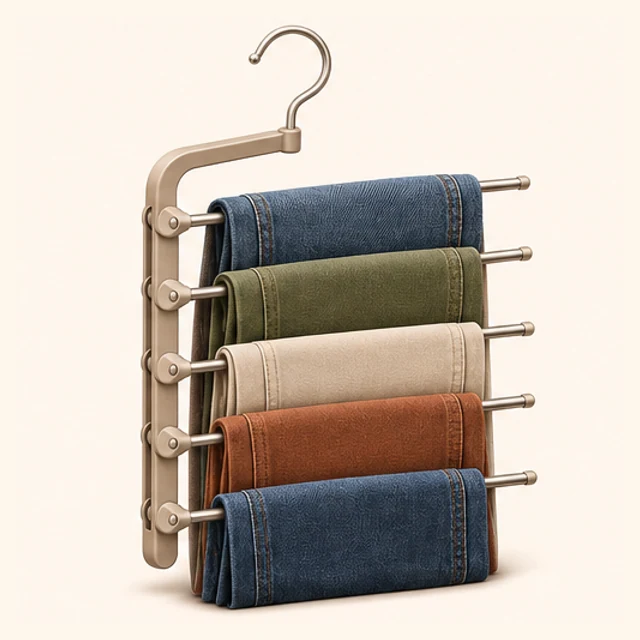
Best for Keeping jeans or trousers folded over bars where you have room below the rod.
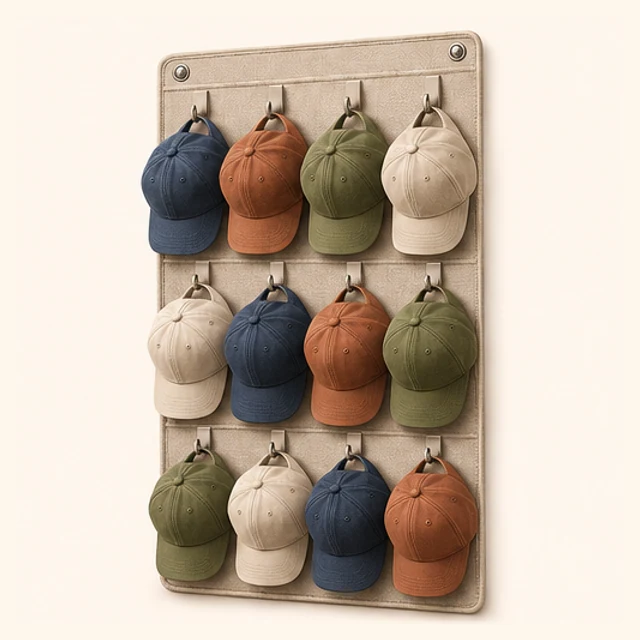
Best for Using wall space to hang caps by their clips instead of stacking them on a shelf.
Small closet ideas start with sorting long garments, short garments and folded clothes before changing the rod setup. Slim hangers can reduce the space taken up by bulky hangers.
Measure usable rod width and check that hangers clear the doors. Keep frequently worn clothes easy to reach and allow enough drop for longer garments.
Measure the usable rail length and garment drop; leave clearance for long coats and dresses before adding multi-tier hangers.
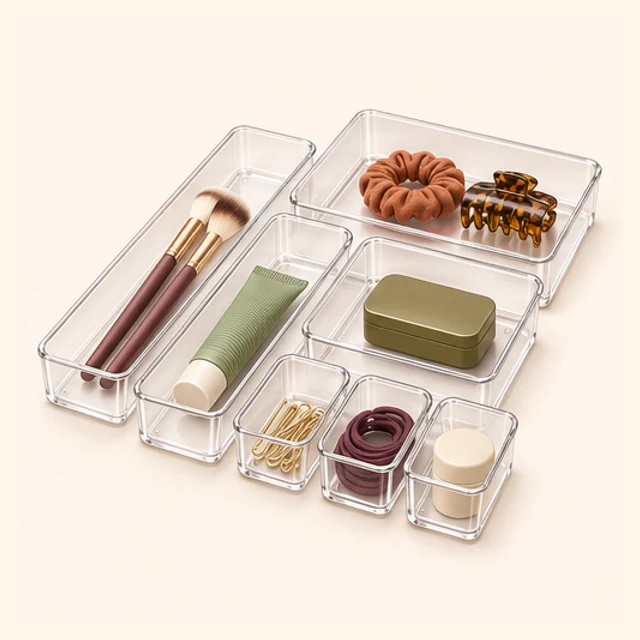
Best for Separating jewelry, belts, and small accessories in shallow drawers.
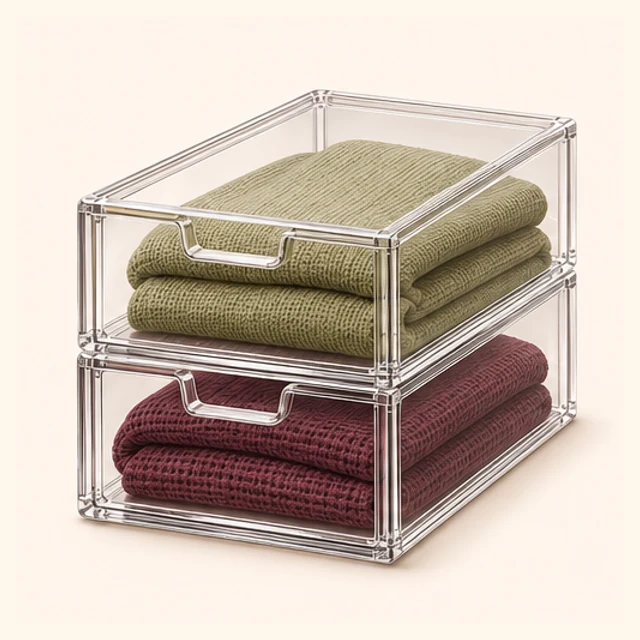
Best for Keeping folded accessories visible on shelves deep enough for pullout drawers.
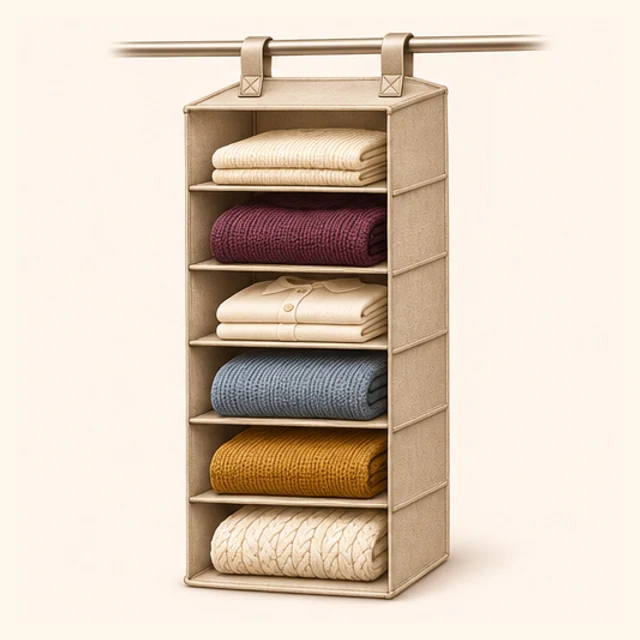
Best for Grouping folded T-shirts and knitwear when separate shelf compartments would help.
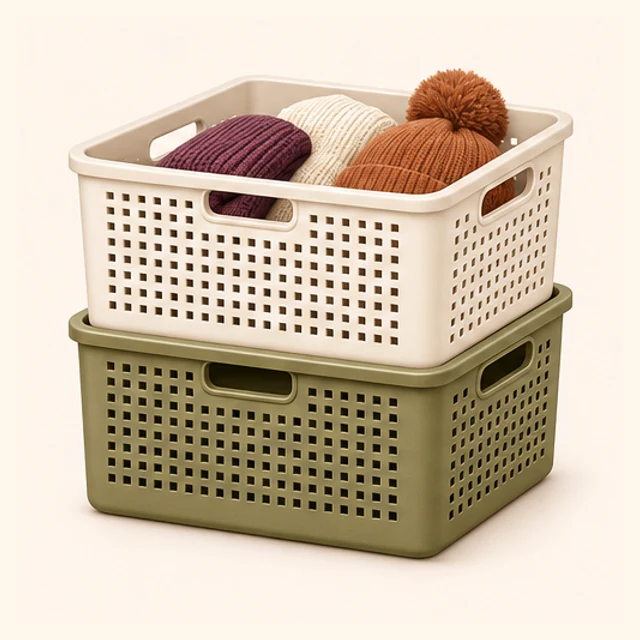
Best for Making sorting zones for loose items you want to grab without opening a lid.
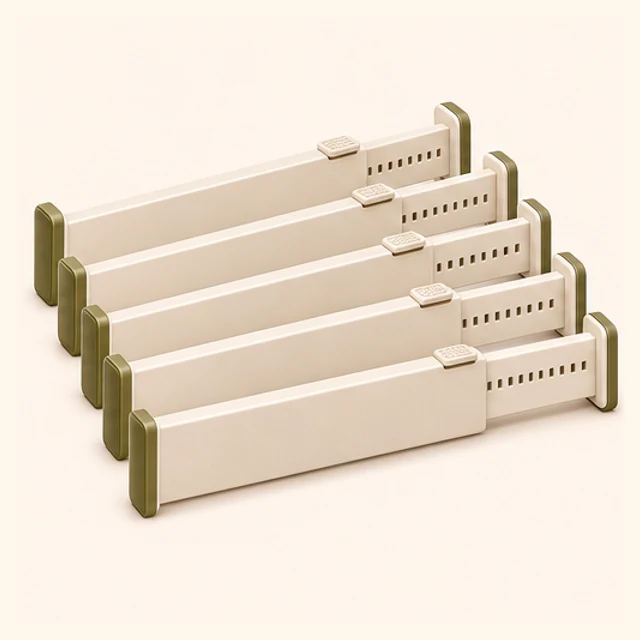
Best for Keeping folded clothes in rows. Check drawer height and depth for fit.
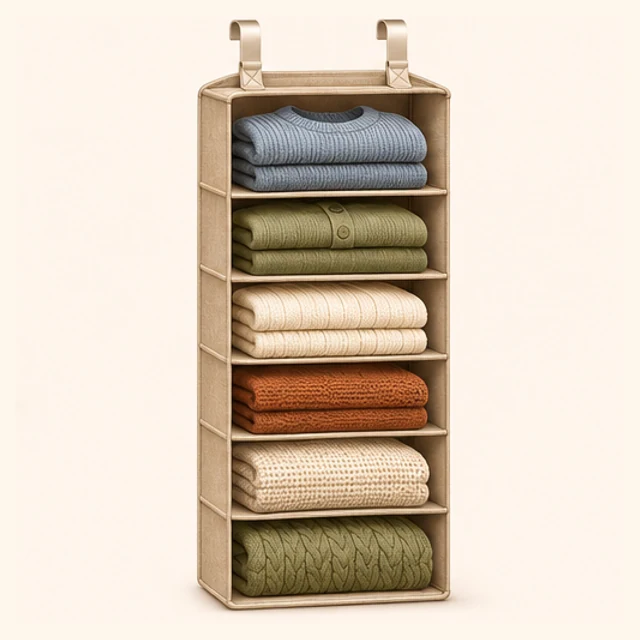
Best for Freeing shelf space for larger items by moving accessories to a door that still closes freely.
Small closet organization ideas work best when folded clothes and smaller accessories have separate homes. Use dividers, baskets or trays according to the size of the items you need to store.
Measure shelf depth, usable height and drawer travel. Keep everyday items accessible and avoid filling containers so tightly that you cannot remove them.
Match shelf dividers to shelf thickness and keep folded stacks low enough to remove without disturbing neighboring items.
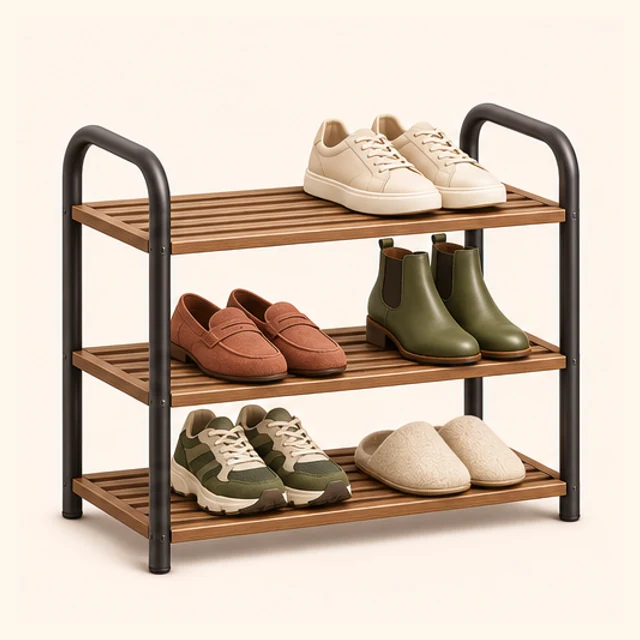
Best for Keeping frequently worn pairs together on a clear stretch of closet floor.
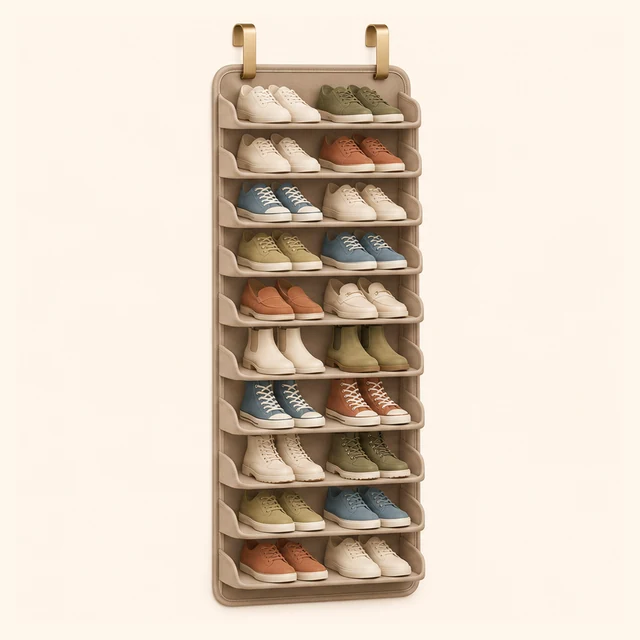
Best for Moving several pairs off the floor when the rack clears the door frame and nearby shelves.
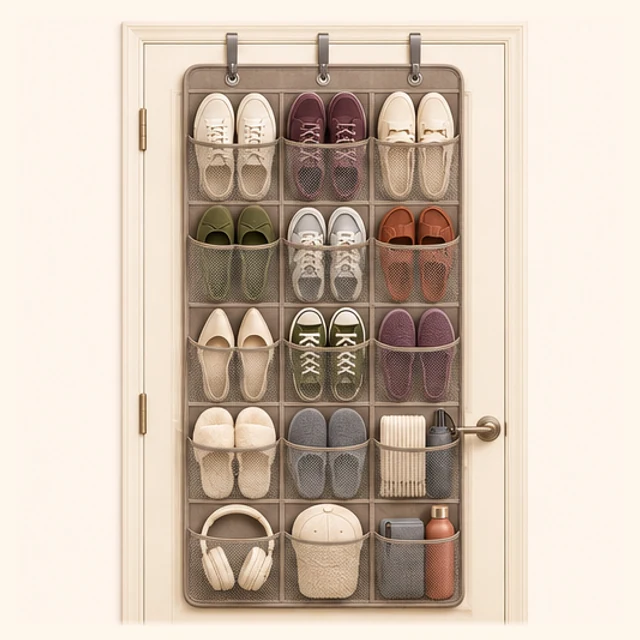
Best for Keeping flats, sandals, and small accessories visible in individual pockets.
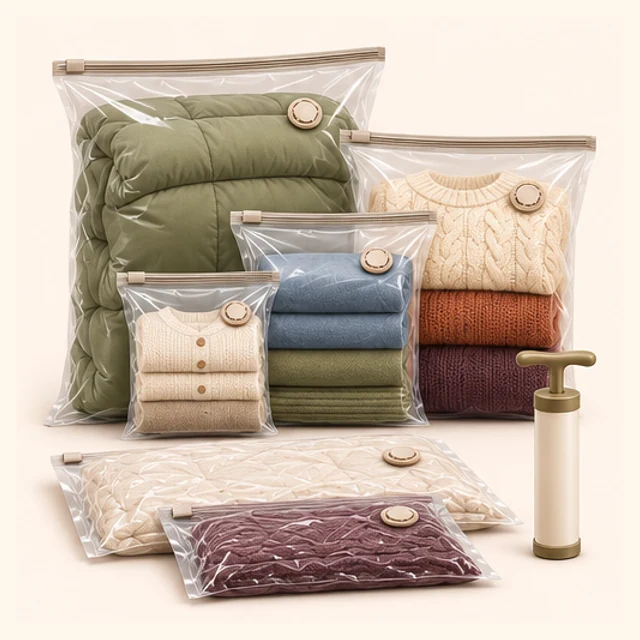
Best for Compressing suitable off-season textiles when shelf height is tight.
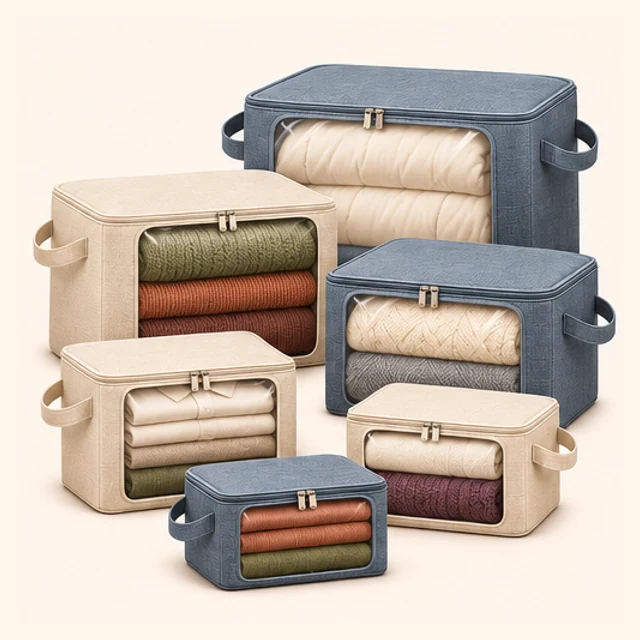
Best for Grouping bulky sweaters or blankets in zippered bags with handles.
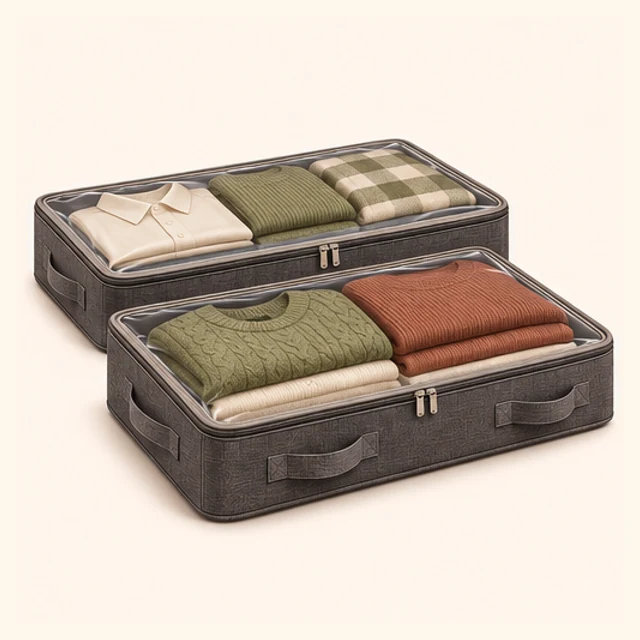
Best for Moving occasional-use clothes out of the closet where there is enough space under the bed.
A small closet can gain usable storage from shoe racks, door organizers and seasonal storage bags. Put everyday shoes within easy reach and move less frequently used items to labeled storage.
Keep the door path clear and leave room to lift out each bag or bin. Check dimensions and mounting requirements before buying.
Measure shoe length and the available floor depth; place seasonal storage behind or above everyday footwear.
How to evaluate these options: compare rod width, garment drop, shelf depth and door clearance. The cards offer practical product-type suggestions, not hands-on test results. Confirm the exact listing, dimensions, installation instructions and current availability on Amazon before buying.
Slim hangers save rail width and keep each garment independent. Multi-tier hangers use more vertical space for pants or skirts.
Check fit Measure rod width and the drop to the shelf or floor. Check the longest garment on the bottom tier.
Trays give jewelry and small accessories separate compartments. Dividers create longer rows for folded clothes.
Check fit Measure the usable drawer depth, height and closing clearance.
A floor rack keeps everyday shoes at hand. A door organizer frees the floor and uses the depth behind the door.
Check fit Try the door with its usual swing. Check hinge clearance and measure bulky shoes before choosing pockets.
Empty one area, remove unused items, then group clothes by type and move seasonal items out of daily reach. Work with the storage you already have before buying.
Measure rod width, shelf depth and door clearance. Compare your measurements with the exact dimensions of the product and its usable internal space.
Check the longest garment and the door swing before adding hanging storage or a shoe rack.
Consider slim hangers or shelf dividers if it addresses your biggest daily inconvenience. Start with one rather than buying a complete set.
Check long garments and drawer travel. Follow the manufacturer’s installation and load instructions, and do not block essential access.
Reuse suitable containers, remove duplicates and rearrange the existing storage. Buy only the item that solves a remaining problem.
Return items to their designated places after use; group clothes by type and move seasonal items out of daily reach. Review the arrangement periodically and adjust it as your needs change.