Practical How-To / Closets & Planning
Closet Makeover on a Budget: How to Plan Without Wasting Money
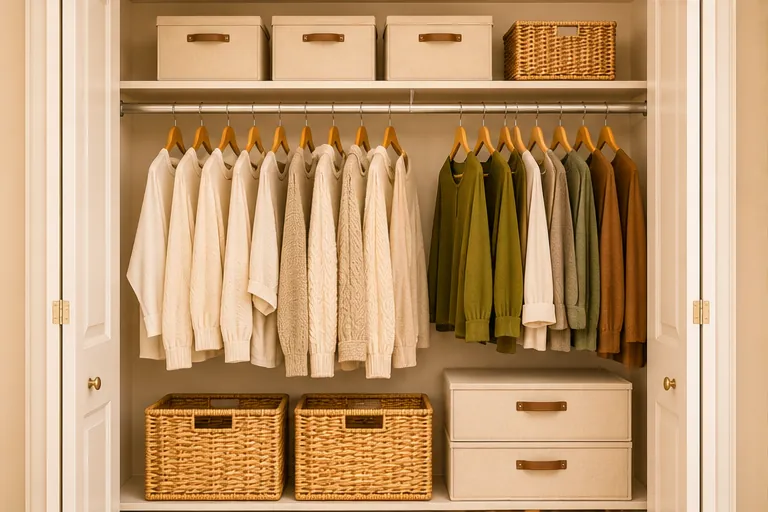
A closet makeover succeeds when daily clothes are reachable and the investment solves a measured problem—not when the new system fills every inch.
Shop this guide
Products to consider
As an Amazon Associate I earn from qualifying purchases. Product illustrations are representative; check Amazon for actual photos, sizes and current details before you buy.
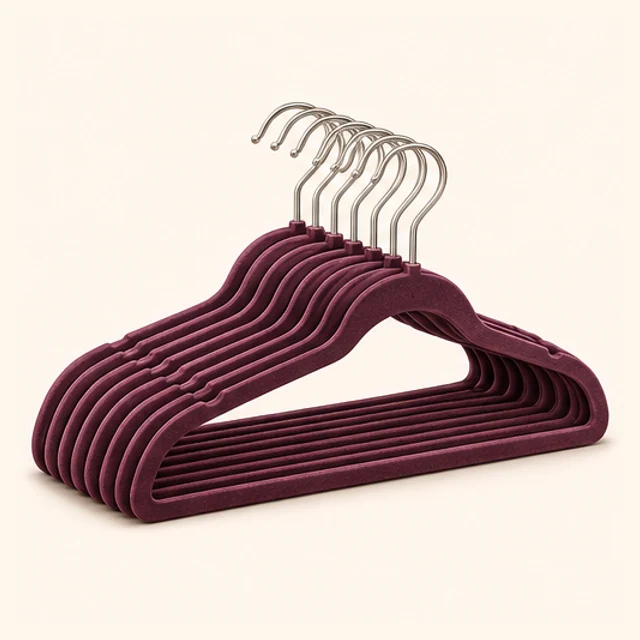
Slim velvet hangers
Best for: crowded shirt and jacket rails where thin, grippy hangers help save rod space.
View on Amazon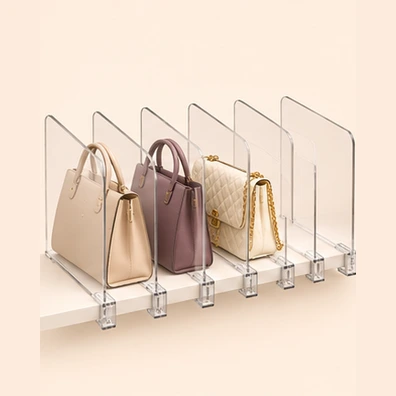
HBlife 6 Pack Closet Organizers and Storage, Clear Shelf Dividers, Vertical Purse Organizer for Closet Perfect…
HBlife's six clear dividers provide upright separation for purses without hiding their colors or shapes.
View on Amazon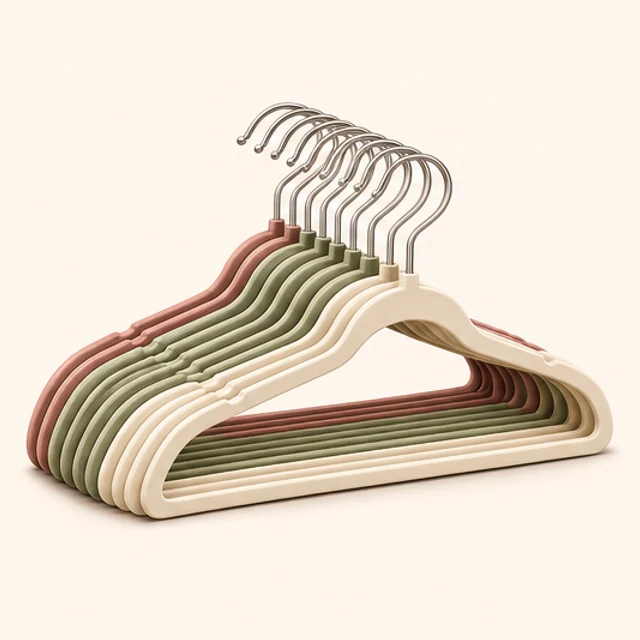
Utopia Home plastic hangers
Best for: everyday shirts and blouses when you want a lightweight matching set.
View on Amazon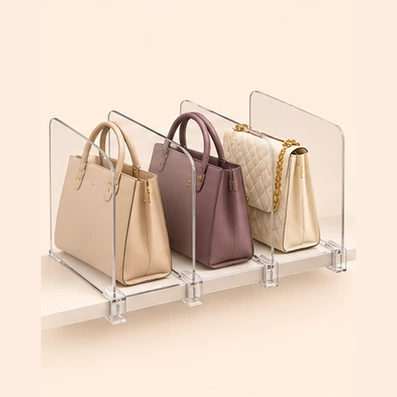
SPACEKEEPER Adjustable Shelf Divider for Closet, Clear Purse Organizers for Closet Acrylic Handbag Separators…
SPACEKEEPER's adjustable acrylic separators allow different widths for handbags; check shelf depth and divider mounting.
View on Amazon1. Write down the closet’s current failure
Identify the single biggest annoyance: shoes pile at the doorway, hanging clothes bunch together, folded shirts collapse, or seasonal items take over prime space. Take one photo of the existing arrangement and write one sentence describing a better routine. A useful goal might be 'find a work outfit in two minutes' rather than 'install a custom closet.'
Count current clothing by storage type: long hang, short hang, folded, shoes, bags, and off-season pieces. Set aside items to mend, donate with permission, or relocate before budgeting for shelving that might not be necessary. Do not discard clothing merely to match a design style.

2. Record the exact space, including obstructions
Measure usable width at the top, middle, and bottom; floor-to-ceiling height; full depth; and the clear door opening. Note baseboards, trim, outlets, vents, lighting, corners, and any access panels. Measure how far a sliding or hinged door opens in practice. A closet can be wide inside but too narrow at the entry to install a large ready-built module.
Measure the length of your longest hanging garments and the height of everyday folded stacks. Make a cardboard sample of a proposed shelf depth and test whether you can reach behind it. Never assume a marketing diagram proves a modular system will fit an irregular alcove.
3. Sketch zones before deciding on hardware
Draw the closet outline to a rough scale on graph paper. Start with a comfortable daily-access zone, then plan hanging versus folded storage based on the clothes you counted. Keep heavier and frequently used items in reachable positions. Put occasional, light items higher only if they can be retrieved safely and without climbing on unstable furniture.
Test the concept using removable paper labels or temporary shelf dividers. For an easy experiment, group all short-hang pieces to one side and folded clothes in existing drawers. If the basic arrangement remains frustrating, note precisely which storage function is absent. That is the product requirement—not a vague desire for 'more storage.'
4. Make a project budget that includes installation
List the complete cost, not only the advertised organizer: modules or brackets, correct fasteners, any professional installation, tools you lack, trim modifications, delivery, disposal, and a sensible contingency for surprises. Do not invent installation costs from an online product photo. If a wall or floor condition is uncertain, obtain reliable professional advice before drilling.
Compare a no-purchase reset, a small add-on, a modular kit, and a professionally installed design using the same functional checklist. Check manufacturer-specified anchor methods, wall compatibility, loads, and tip-over prevention. A renter should confirm lease permissions before altering walls or built-ins. Our closet systems buyer guide explains the product tradeoffs; this how-to stays focused on the project sequence.
5. Test the design before buying or drilling
Tape the locations of drawers, rods, or cabinets on the floor and wall without making permanent marks. Mimic opening drawers, loading a laundry basket, and reaching an everyday shirt. If a doorway conflicts with a proposed drawer, revise the sketch. Ask another household member to perform their normal routine too.
Create a one-page purchase checklist with measurements, permitted installation methods, exact manufacturer load ratings, final total cost, and return terms. Save it in My Room Project and use Before You Buy. A budget-friendly makeover may be only a decluttered hanging rail and a couple of correctly sized shelves.
Frequently asked questions
Practical answers about closet makeover on a budget, fit and everyday use.
What is the cheapest first step in a closet makeover?
Remove unused clothing and regroup what remains by length and frequency. Try the arrangement for several days before buying extra shelving or hangers.
Should I install shelves before sorting clothes?
No. First count the items and storage types that remain after sorting; that determines useful shelf and rod space.
How do I compare modular kits fairly?
Use the full installed cost, usable interior dimensions, installation requirements, and load ratings—not a photo or advertised width alone.
What is the easiest low-cost closet upgrade?
Often a simple rearrangement of hanging and folded categories; test that before purchasing hardware.
What closet makeover changes are easiest to reverse?
Moving an existing rod, relabeling sections and replacing removable containers are simpler to undo than custom built-ins or new wall holes.
How can I budget for closet installation surprises?
Set aside a contingency for brackets, fasteners, repairs and delivery; do not spend the entire allowance on visible shelf components.
Sources and further reading
These sources support general planning and safety guidance, not any retail-product endorsement.
Independent educational guidance, not a hands-on product test. Check official safety information, manufacturer instructions, local requirements, and current retailer policies as applicable. Affiliate disclosure.