Buying advice / Bathroom
How to Choose a Medicine Cabinet: Recessed or Surface-Mounted?
A medicine cabinet can save counter space and add a useful mirror, but choosing recessed versus surface mounting is an installation decision as much as a design decision. Measure the vanity area, check the wall, and define what you need to store before ordering.
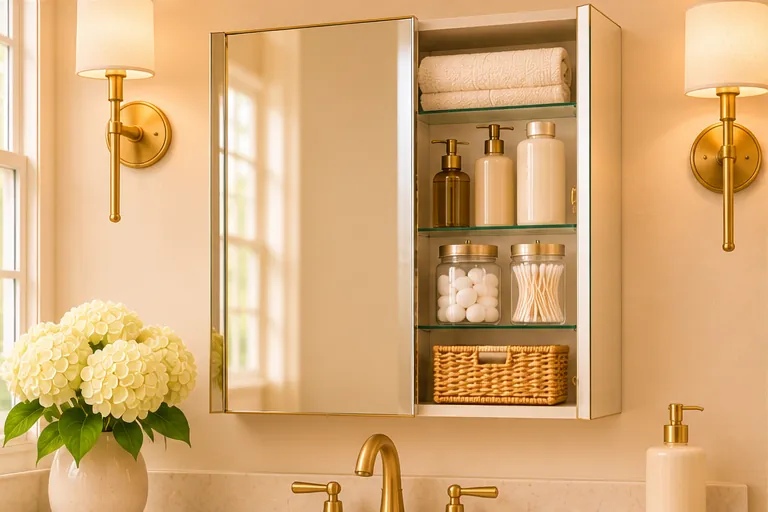
Shop this guide
Products to compare
As an Amazon Associate I earn from qualifying purchases. Picked from Amazon listing details; we have not tested these in person. Illustrations are AI-generated and representative; check Amazon for actual photos, sizes and current details before you buy.
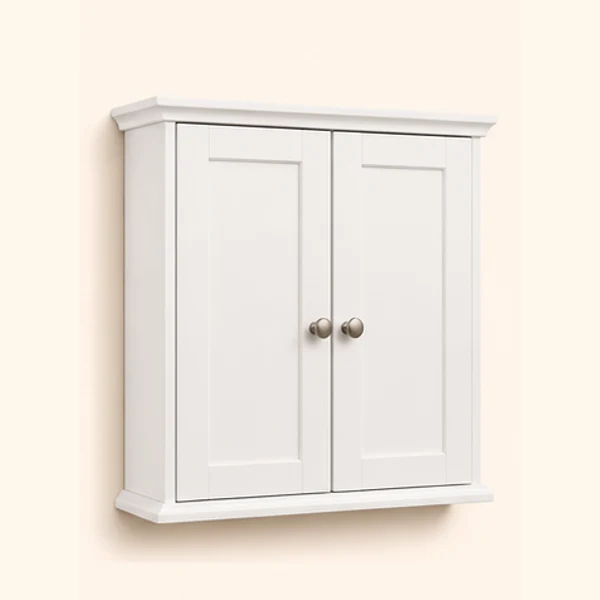
ChooChoo two-door wall cabinet
Check wall support and door swing.
View on Amazon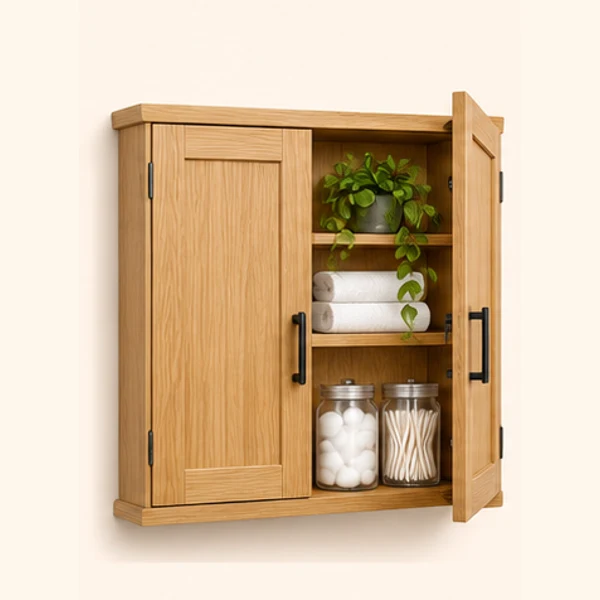
Oak wall-mounted cabinet
Measure projection above the sink.
View on Amazon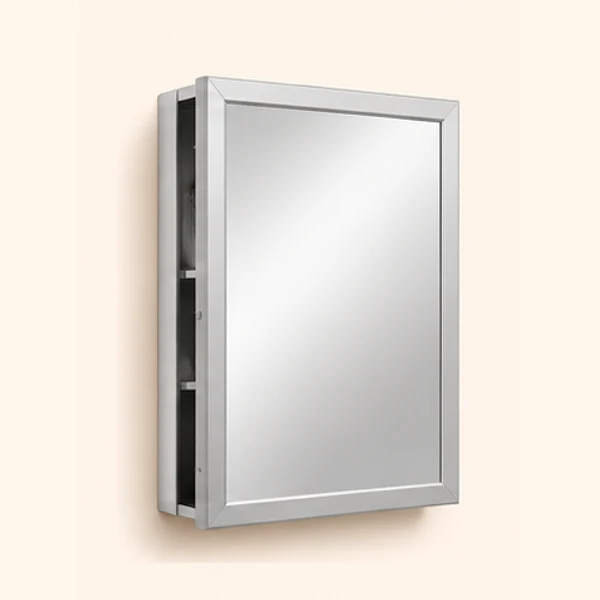
20-by-26-inch mirror cabinet
Confirm recessed or surface installation requirements.
View on Amazon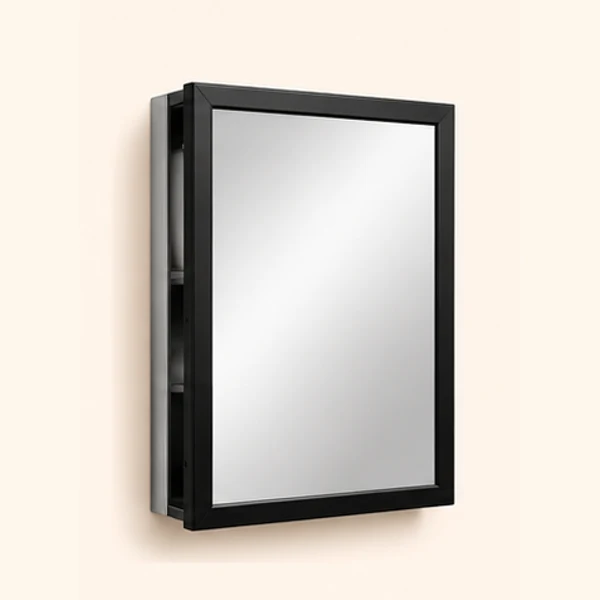
14-by-18-inch recessed mirror cabinet
Verify wall cavity and concealed services before cutting.
View on AmazonDecide whether storage near the sink is actually needed
Sort bathroom items into daily grooming, occasional supplies, and things that should be stored elsewhere. A narrow cabinet may solve the daily-access problem better than a large mirrored box, particularly where a shower door or a side wall restricts movement.
Try relocating backup products before committing to construction. Simple divided trays inside an existing cabinet can free sink space at no cost. Avoid treating a medicine cabinet as automatically appropriate storage for prescriptions: many medicines have temperature and humidity requirements.
Think about the person using the mirror. Eye height, reach, opening direction, and safe access to the shelves matter as much as the outline against the tile.
Understand the recessed option
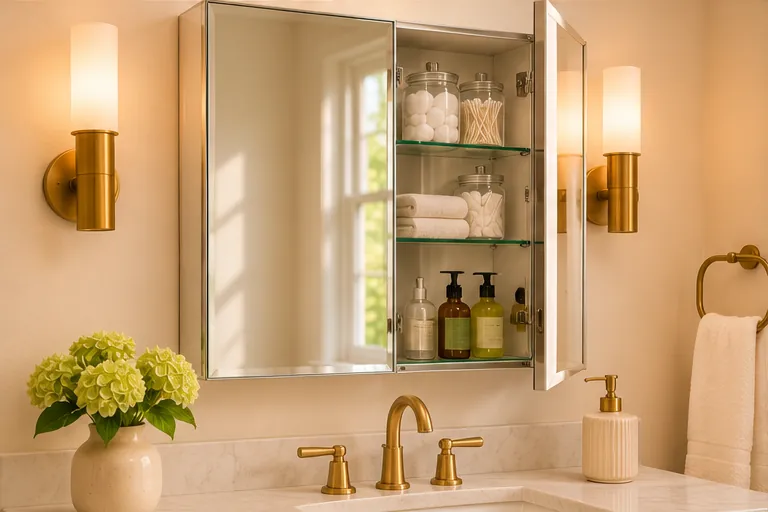
A recessed cabinet sits partly within a wall cavity, often creating a slimmer profile above the vanity. The catch is that you cannot assume the cavity is empty or deep enough. Studs, plumbing, electrical wiring, fire-rated assemblies, and other building conditions may prevent or complicate an opening.
Do not cut into a wall based only on a cabinet listing. Verify the manufacturer’s rough-opening dimensions, construction requirements, and the wall’s actual conditions; use a qualified professional where needed. Altering framing or wiring may require permits or approval.
A recessed cabinet can offer visual calm in a tight space if the wall can safely accommodate it. It is not automatically cheaper once labor, finishing, or electrical work is included.
Understand the surface-mounted option
A surface-mounted cabinet attaches to the face of the wall and does not normally need a full-sized wall cavity. It can be more flexible where recessing is impractical, but it projects into the room and requires appropriate anchors and mounting support.
Measure the projection from the wall, including handles and mirror thickness. Open the intended door in the real room: it must not hit a light fixture, side wall, shower partition, faucet, or another mirror.
If you rent, check installation permissions. Surface-mounted does not mean “no drilling” or that any drywall anchor will support a filled cabinet. Follow the exact manufacturer instructions and supported wall types.
Consider hinges, mirrors, shelves, and light placement
A left-opening or right-opening door can change everyday usability. Some cabinets allow hinge reversal; others do not. Verify this with the model’s documentation before checkout. Multi-door designs may demand additional side clearance.
Measure usable internal shelf depth and adjustment positions. Tall bottles, electric grooming devices, and toothpaste cartons may not fit the way they appear in photographs. Check whether the shelves can be removed for cleaning and whether glass edges are protected.
Review lighting and electrical details. A mirrored cabinet placed beneath a fixture can cast shadows differently from a flush mirror. Models with integrated lights or outlets may have installation and electrical-safety requirements beyond an ordinary cabinet.
Moisture, medicine storage, and the complete installed cost
Bathrooms often experience condensation, so check the cabinet’s material, finishes, mirror-edge care, and ventilation requirements. The EPA recommends moisture control and bathroom ventilation to limit mold. A product promoted for bathrooms is not necessarily immune to moisture damage.
Read medicine package storage instructions; a humid bathroom may be unsuitable for some products. Keep medications and hazardous personal-care products secured according to label guidance and household needs.
Compare the total project cost: cabinet, mounting hardware, potential wall repair, electrical work, installation, and delivery. Save measurements to My Room Project, then review the Before You Buy checklist before spending.
Frequently asked questions
Practical answers about how to choose a medicine cabinet, fit and everyday use.
How to choose a medicine cabinet: where should I start?
Compare recessed and surface-mounted medicine cabinets by wall depth, door clearance, lighting, moisture, and installation.
Is recessed better than surface-mounted?
Recessed minimizes projection if your wall can safely accept the required opening; surface mounting avoids a full cavity but projects outward and still needs approved anchors.
Can I install a recessed medicine cabinet in any bathroom wall?
No. Hidden plumbing, wiring, framing, fire-rating, and manufacturer requirements may prevent installation. Have conditions checked before cutting.
Should medicines be kept in a bathroom medicine cabinet?
Follow each medicine’s storage instructions. Humidity and temperature fluctuations can make bathrooms unsuitable for some medications.
Can medicine cabinets store vitamins in a steamy bathroom?
Humidity and temperature may be unsuitable for certain products. Follow each label's storage instructions; a cool, dry location outside the bathroom may be better.
What should I check before replacing a recessed medicine cabinet?
Measure the existing wall opening and inspect for wiring, plumbing and framing with a qualified installer when needed; outside dimensions alone are not enough.
Sources and further reading
These references support general safety, moisture, and storage advice; none is an endorsement of any retail product.
Independent educational guidance, not a hands-on product review. Verify exact-model specifications, installation requirements, and retailer policies before purchase. Disclosure.