Practical How-To / Decluttering
How to Declutter Your Home Before Buying a Single Organizer
The fastest way to buy the wrong organizer is to measure a pile before deciding which things belong in it. This room-by-room reset begins with decisions, not containers.
Shop this guide
Products to consider
As an Amazon Associate I earn from qualifying purchases. Product illustrations are representative; check Amazon for actual photos, sizes and current details before you buy.
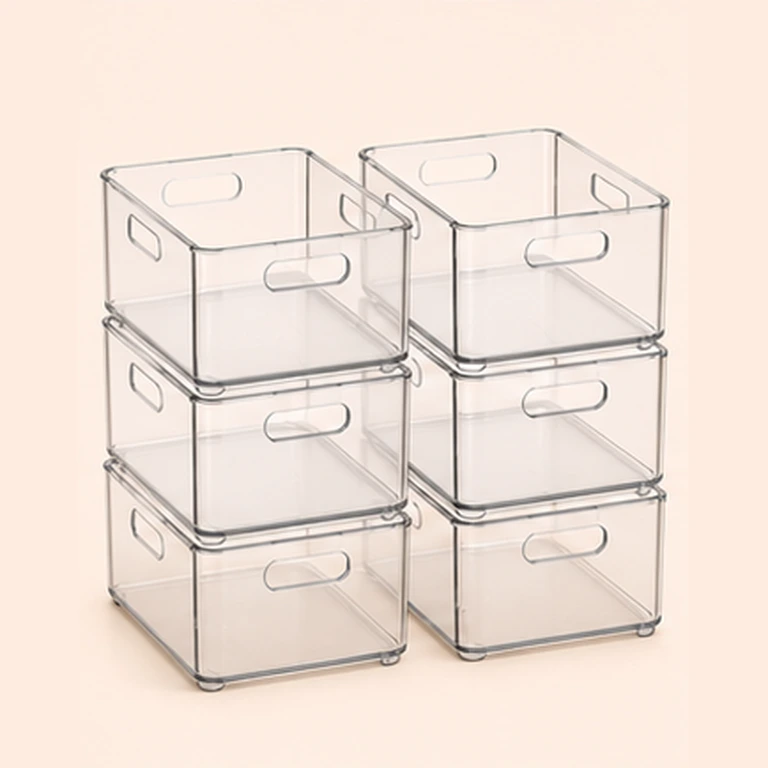
YIHONG 6 Pack Clear Storage Bins with Handles Large
YIHONG's six large handled clear bins are suited to creating multiple visible storage zones across shelves.
View on Amazon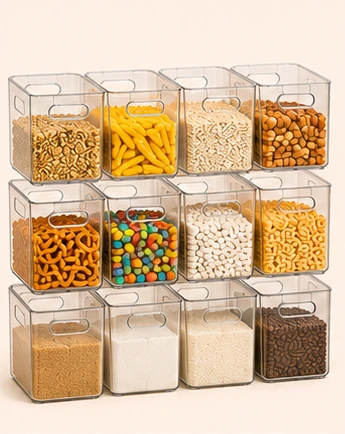
12 PACK Multi-Use Clear Storage Bins, Pantry Kitchen Cabinet Organizer Bins
Twelve multipurpose clear storage bins provide enough separate containers to establish multiple pantry categories.
View on Amazon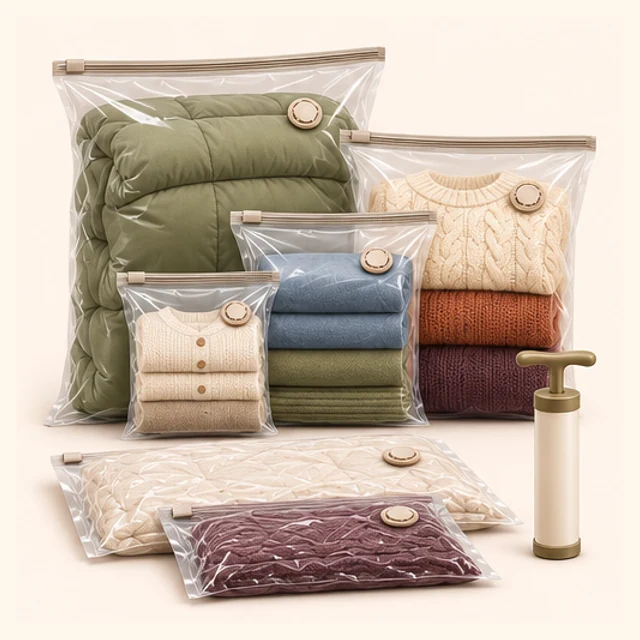
Cozy Essential vacuum bags and pump
Best for: compressing suitable off-season textiles when shelf height is tight.
View on Amazon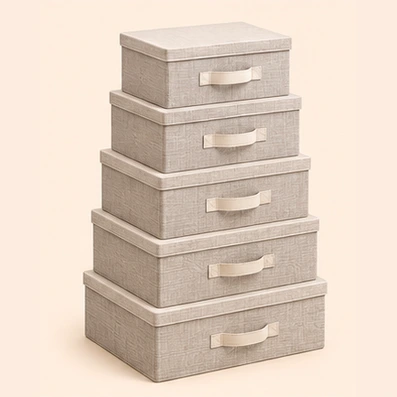
5 Pack Closet Organizers Stackable Storage Box
These five stackable storage boxes provide separate compartments for keeping closet items grouped by type.
View on Amazon1. Define the room’s job and one success measure
Write one sentence describing what this room must do: prepare meals, rest, work, play, or welcome visitors. Choose one clear success measure such as opening every drawer without forcing it or clearing the dining table for dinner. Avoid making 'buy matching bins' the objective; products are a possible means, not the result.
Choose a single workable zone—a drawer, one shelf, or a three-foot stretch of countertop. Set a 20-minute session and keep a notebook, a trash bag, and two temporary boxes nearby. If decisions become tiring, finish the zone rather than spreading possessions across an entire room. Photograph the starting point for your own reference, not as proof of a dramatic public makeover.
2. Run five passes without a shopping cart
Pass one: return obvious misplaced objects to their actual rooms. Pass two: identify things used in the last few weeks and keep them accessible. Pass three: gather serviceable duplicates and decide what quantity the household really needs. Pass four: separate donations, repairables, and material for appropriate local recycling or disposal. Pass five: isolate undecided items in a dated box rather than forcing a rushed decision.
Do not donate other people's belongings without asking, and do not dispose of personal papers, medications, batteries, electronics, or hazardous household products in an ordinary trash bag without checking local requirements. Set a specific appointment or drop-off plan for outgoing items; a donation pile left in the hallway is still clutter and can obstruct the route out.
3. Sort by action, not by perfect-looking categories
Create three useful groups: daily reach, occasional access, and leave-the-room. Daily objects belong where used, provided this keeps work and walking surfaces clear. Occasional items can live on higher or deeper shelves only if they are light and safe for the intended user to retrieve. The leave-the-room group needs a destination, not a new storage system in the same room.
Do one ordinary task in the cleared zone: prepare breakfast, change the bedding, or locate a needed document. Notice what you reach for and where you naturally set it down. That behavior is more informative than a staged photograph. Label temporary containers in plain words rather than making everyone memorize a color system.
4. Measure the remaining storage problem
Only after removing excess items should you measure available shelf width, height, and depth; drawer opening versus interior width; door swing; and the reach required. Write down the dimensions of the possessions that still need a home. Count the containers you already own, including shoeboxes or trays that are clean, stable, and appropriate for dry storage.
Use cardboard to mock up the footprint of a proposed organizer. Pull it out, open the adjacent door, and retrieve an item with one hand. If it blocks movement or creates a second layer of inaccessible clutter, the organizer is not an improvement. Keep heavy objects low and follow the manufacturer’s stability and anchoring instructions for furniture.
5. Use a seven-day decision rule
Live with the new layout for seven days before ordering anything. Each time an item fails to return to its home, ask whether the location is inconvenient, the category is unclear, or there is simply too much of it. Record these failure points. Some categories need a better label; others need one appropriately sized tray instead of an entire furniture purchase.
At the end of the week, make a purchase list only for repeated, observable problems. Include exact internal and external dimensions, material and cleanup needs, installation limits, price ceiling, and return requirements. Save measurements in My Room Project and work through our before-you-buy checklist. The successful result may be spending nothing.
Frequently asked questions
Practical answers about how to declutter your home, fit and everyday use.
How to declutter your home: where should I start?
A five-pass no-spend decluttering plan to find what belongs, clear usable space, and measure only what still needs storage.
What are simple decluttering tips for beginners?
Start with one small area, such as a drawer, sort into keep, donate and discard, and finish that area before moving to the next.
Should I buy storage bins before decluttering?
Usually no. Decide what stays, where it is used, and what space remains before measuring bins.
What if I cannot decide whether to keep something?
Put it in a clearly dated temporary decision box, out of walking routes, and set a specific review date.
How do I know the room is actually better?
Test its ordinary job for a week: less time searching, more clear workspace, and fewer blocked drawers or paths.
How do I declutter sentimental objects without rushing?
Set aside a short, intentional decision session and keep only what fits a defined memory space; photographs can preserve some stories without storing every object.
What if family members disagree about shared clutter?
Agree on the function of shared surfaces before removing anyone's belongings. Each person should decide on items they own.
Sources and further reading
These sources support general planning and safety guidance, not any retail-product endorsement.
Independent educational guidance, not a hands-on product test. Check official safety information, manufacturer instructions, local requirements, and current retailer policies as applicable. Affiliate disclosure.