Practical How-To / small apartment living room
Small Apartment Living Room Layout: Arrange It Without Blocking Pathways
Plan a functional small apartment living room with measured pathways, furniture footprints and a no-buy layout trial.
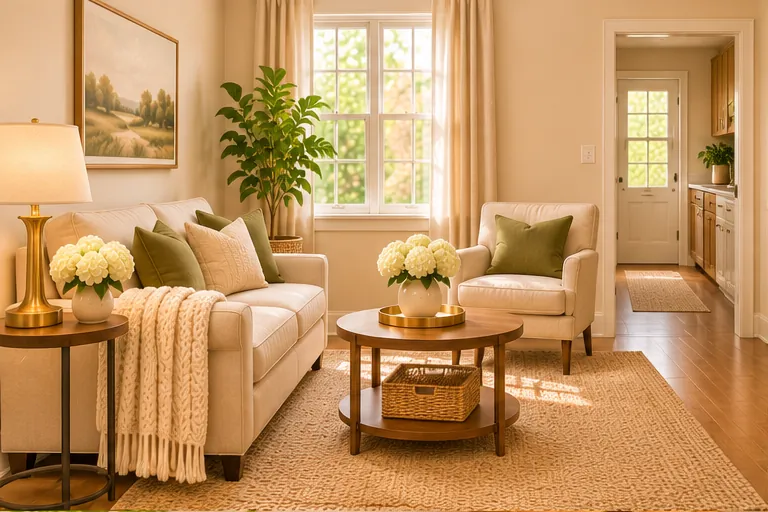
Shop this guide
Products to consider
As an Amazon Associate I earn from qualifying purchases. Product illustrations are representative; check Amazon for actual photos, sizes and current details before you buy.
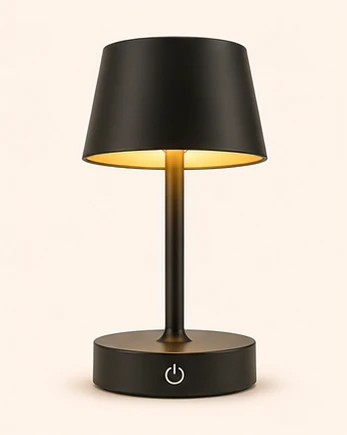
Small Cordless Table Lamp with 4000mAh Rechargeable Battery, Black, 1 Pack
This single black cordless lamp lists a 4,000mAh battery, making outlet location less important for placement.
View on Amazon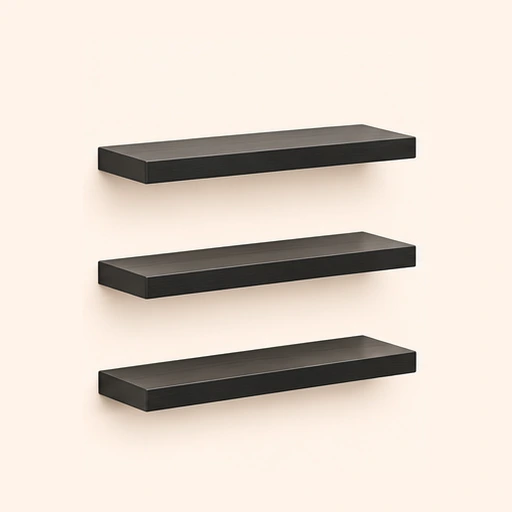
BAYKA Black Floating Shelves 15.7in, Set of 3, Wall Mount Wood Shelf
BAYKA's three black wood shelves are listed at 15.7 inches, offering a matching set for a compact wall display.
View on Amazon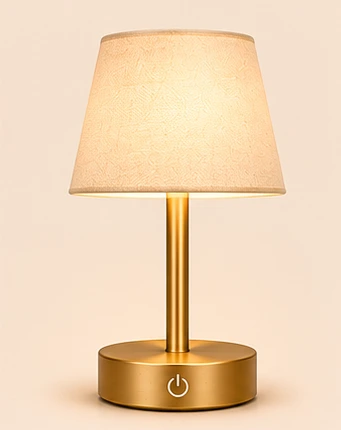
Rechargeable Cordless Table Lamp, 4000mAh Battery, Touch Control, Dimmable
A rechargeable 4,000mAh lamp with touch dimming offers adjustable brightness without a conventional cord during use.
View on Amazon
Amada 15.7" Floating Shelves for Wall Decor & Storage, Set of 3, White
Amada's three white 15.7-inch shelves provide a lighter alternative for displaying decor against a pale wall.
View on Amazon1. Draw the usable room, not just four walls
Start with the actual room dimensions and mark doors, window openings, radiators, electrical outlets, built-in shelves and furniture that cannot move. Note which doors swing inward, where daylight enters and which walls must stay accessible. A floor plan is useful only if it captures the details that restrict furniture placement.
On graph paper, choose a consistent scale; for example, one square can stand for six inches. Draw each piece of furniture to the same scale, including its depth. A sofa that technically fits wall-to-wall may still prevent a door from opening or leave no practical route to the next room. Measure with a tape, not just a phone photograph.
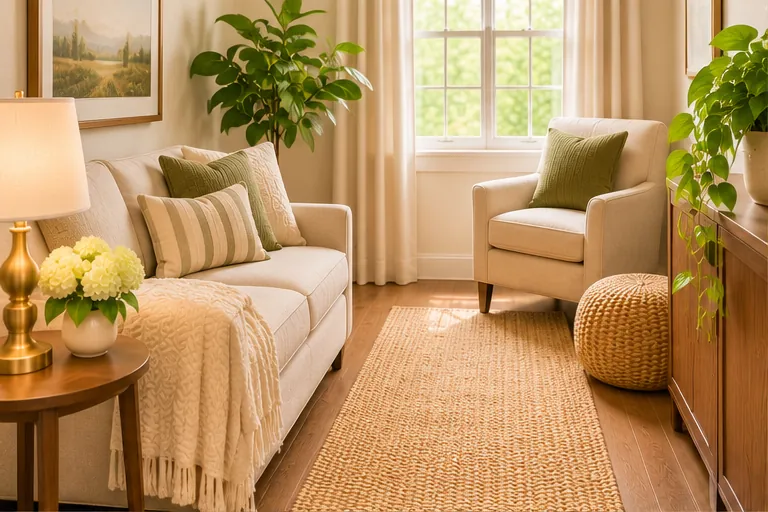
2. Identify the routes that must remain open
Walk the routes between the entry, kitchen, bedroom, seating and any balcony or exit. Record where a person needs to turn, carry laundry, pass a second person or use a mobility aid. Keep egress and access to required equipment unobstructed; confirm applicable building and accessibility requirements rather than treating a design-blog number as a legal minimum.
For a personal planning example only, suppose a living room is 10 by 12 feet. A sofa 84 inches long and a 20-inch-deep console each take space that a room photo can hide. Place paper rectangles on the floor to represent these footprints and test the actual walking route before moving heavy furniture. Check doorway swing at full opening.
3. Choose one primary activity and supporting zones
Decide what the room truly needs to do most days: conversation, reading, television, working or entertaining. Position the main seat around that activity. A second purpose can occupy a compact zone, but avoid designing five permanent zones for one small room. The most comfortable layout is often the one with fewer pieces and clearer movement.
Try a sofa along the longest uninterrupted wall, or float it only if circulation still works. If a chair is used once a month, consider whether it can live in another room. Use the furniture already owned before deciding that a new sectional, console or storage ottoman will improve the space.
4. Test light, cords and scale in real life
Check lamps at the time of day when the room is actually used. Sit where you plan to read or watch television; verify reflections, reach to switches and whether a table lamp creates a cable crossing the walkway. Keep cords away from traffic and avoid covering electrical devices or running cords under rugs.
Use painter’s tape to mark furniture footprints without leaving permanent marks, if suitable for your floor finish. Move lightweight items first and ask for help with large or heavy furnishings. Verify anti-tip anchoring for furniture that requires it, according to the manufacturer and your lease. Save measurements in My Room Project.
5. Live with the layout before buying
Try the arrangement for at least several ordinary evenings. Notice where shoes accumulate, where a drink lacks a stable resting place, and whether the layout works for guests as well as regular occupants. Reposition items before purchasing additional furniture; small rooms become crowded quickly when every inconvenience produces another object.
Only if a repeated need remains, create a buying specification with maximum dimensions, doorway clearance, assembly access and total delivery cost. The before-you-buy checklist can help evaluate the actual item. For shelf and cabinet purchases, use the relevant buyer guide; this article concerns arranging the room you already have.
Frequently asked questions
Practical answers about small apartment living room layout, fit and everyday use.
How do I test a living room furniture layout before buying?
Mark the furniture footprints on the floor and simulate walking, opening doors and reaching seating. Move the outlines until the arrangement works without blocking access.
What are small apartment decorating ideas that save space?
Choose furniture with legs to keep the floor visible, use a rug to define the seating area, and add storage that doubles as seating or a side table.
What are budget apartment decor ideas?
Rearrange before buying, add one large rug, layer lamps for warmer light and use removable wall hooks instead of drilling.
Do I need a tiny sofa for a small apartment?
Not necessarily. The right size depends on your measured room, door swing, walking routes and how you use the seating.
Can I place a sofa in the middle of the room?
Yes, when it leaves usable pathways and does not obstruct access, egress or equipment.
What should I measure before rearranging?
Room dimensions, furniture footprints, door swings, outlets and the routes people actually take.
Can a small apartment living room fit a home office?
It can if a compact work zone does not interrupt seating access or the main walking route; measure desk and chair pullback space.
How should I arrange lighting in a windowless apartment living room?
Use multiple task and ambient light sources instead of relying on one harsh ceiling fixture; keep cords out of paths.
Sources and further reading
These are general safety and consumer references, not verification of an individual product.
Independent educational guidance, not a hands-on product test. Check manufacturer instructions, property rules and applicable safety requirements. Affiliate disclosure.