Educational Comparison / Small Vanity Ideas
Wall-Hung vs. Freestanding Bathroom Vanity: A Small-Space Comparison
Compare plumbing access, usable storage, floor cleaning and professional installation requirements.

Shop this guide
Products to consider
As an Amazon Associate I earn from qualifying purchases. Product illustrations are representative; check Amazon for actual photos, sizes and current details before you buy.
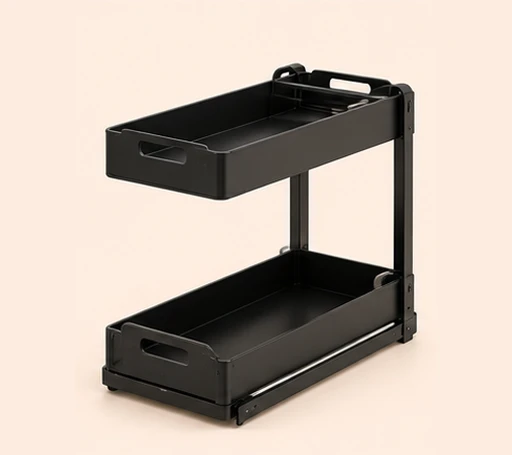
Under Sink Organizer, L-Shaped 2 Tier Pull Out Cabinet Organizer
An L-shaped two-tier pullout can leave space alongside the sink drain while storing bottles at two heights.
View on Amazon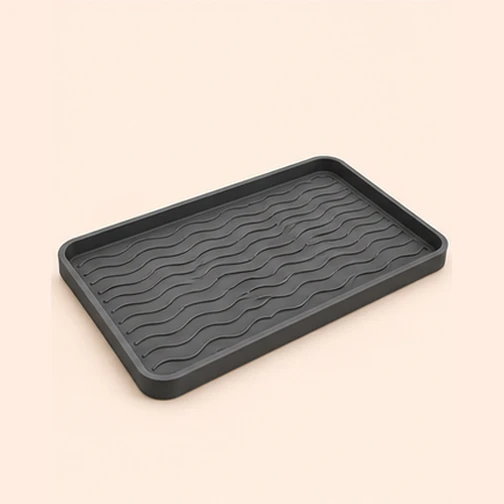
Waterproof Under Sink Mat 34" x 22", Silicone Mat, Dark Gray
The dark-gray waterproof silicone mat measures 34 × 22 inches and provides a protective surface beneath the sink.
View on Amazon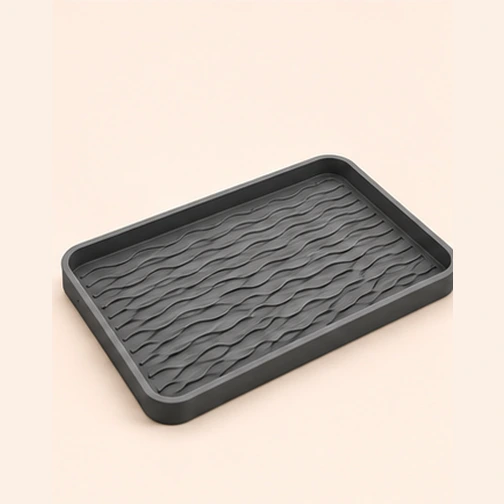
Waterproof Silicone Under Sink Mat, 31 x 22 in, Flexible Shelf Liner
A flexible 31 × 22-inch silicone liner is narrower than the 34-inch options and may fit a smaller cabinet.
View on Amazon
Vtopmart 5 PCS Bathroom Countertop Organizer Sets
Vtopmart's five-piece countertop organizer set offers separate containers for arranging frequently used toiletries.
View on AmazonTwo silhouettes, very different projects
A wall-hung vanity is mounted above the floor, making the tile beneath it visible. A freestanding vanity rests on the floor and may provide a more traditional cabinet body. A floating look can make a small bathroom feel more open, but the visual impression does not prove the vanity has a smaller physical footprint. Sink size, countertop projection and drawer openings still control how the room works.
Freestanding units may provide more enclosed lower storage, though real capacity depends on plumbing cutouts and the shape of the sink. Wall-hung designs can preserve foot clearance and simplify floor wiping underneath. Both require checking actual mounting requirements, water supply and drain positions.
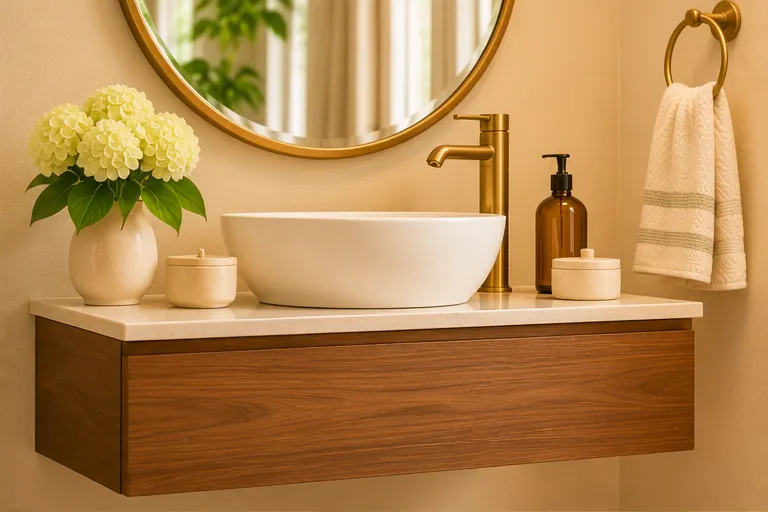
Check plumbing before shopping for the style
Photograph the existing supply lines, drain and shutoff valves, noting their distances from the adjacent walls and finished floor. A cabinet may hide awkward plumbing, while a floating unit makes certain pipe runs more visible or imposes tighter locations for concealed connections. Do not assume the current pipes will line up with a new sink or vanity body.
Record the distance to the toilet, door swing, tub or shower enclosure and any side-wall obstacles. Draw the vanity with doors and drawers fully opened. A narrow vanity that blocks a bathroom door when its drawer is open is still a poor fit. Plumbing and electrical changes may require licensed work and approvals; costs vary by property and locality.
Floor cleaning, moisture and storage
A floating vanity can be easier to clean beneath if the clearance is high enough to reach; a tiny gap may simply trap dust and splashes. A freestanding cabinet often conceals the wall and floor junction, but spills can still affect the toe-kick or base. Inspect for water damage and keep leaks visible and repairable rather than sealing a problem behind new finishes.
Use your typical bathroom supplies to test drawer depth and medicine storage. A visually light unit with shallow drawers may not hold tall bottles or spare towels. Before upgrading, see whether shifting backup supplies out of the vanity would make the present cabinet sufficient. Our vanity drawer guide is for small internal organizers, not fixture replacement.
Installation and structural reality
A wall-hung vanity relies on adequate structural support, compatible attachment and the manufacturer’s installation method. Its weight includes the installed fixture and normal contents. Do not select mounting hardware from a generic wall-anchor rule. Freestanding vanities can also need secure installation and attachment depending on the design, particularly when associated with tipping or plumbing strain.
An installation budget should include appropriate trade labor, repairs to damaged tile or drywall, plumbing adjustments, delivery and disposal. In a rental, confirm alteration permission. Reusing the existing vanity with new organization or hardware may be less disruptive and less expensive than replacing a sound fixture.
Verdict: choose by the constraints
A wall-hung vanity makes the most sense when the wall and plumbing support the installation and exposed floor suits the cleaning routine. A freestanding vanity can be practical when storage and simpler integration with the existing bathroom matter more. Neither should be selected purely from inspirational photographs.
Take measurements, inspect the existing plumbing, and compare actual interior capacity before you price either route. Make installation contingencies explicit in your budget and keep a record of what a contractor or manufacturer confirms. Use our buyer confidence checklist before ordering a large fixture.
Frequently asked questions
Practical answers about wall hung vs. freestanding vanity, fit and everyday use.
Wall hung vs. freestanding vanity: which is better for me?
Compare plumbing access, usable storage, floor cleaning and professional installation requirements.
Is a floating vanity always easier to install?
No. It needs suitable structural support and compatible plumbing, which may involve additional work.
Does a freestanding vanity always offer more storage?
No. Compare real interior space after plumbing cutouts and sink geometry.
Can I change vanities in a rental?
Ask the property owner and check local installation requirements before committing to an alteration.
Does a wall-hung vanity need more wall reinforcement?
Often the mounting method is more demanding; follow the exact manufacturer and wall-construction requirements rather than assuming a regular anchor is sufficient.
Can a freestanding vanity be replaced without changing plumbing?
Sometimes, if supply and drain locations match. Verify the cabinet cutouts and have plumbing changes handled appropriately.
Sources and verification
General public guidance is linked below. These sources do not verify particular products or installations.
Independent decision guide, not a firsthand test or professional installation plan. Check current manufacturer instructions and specific wall, electrical, plumbing and property conditions. Affiliate disclosure.