Practical How-To / diy pantry shelves
DIY Pantry Shelves: How to Plan Them Safely Before Drilling
A safe pre-installation planning checklist for DIY pantry shelves: wall conditions, clearances, load ratings, permits and alternatives.
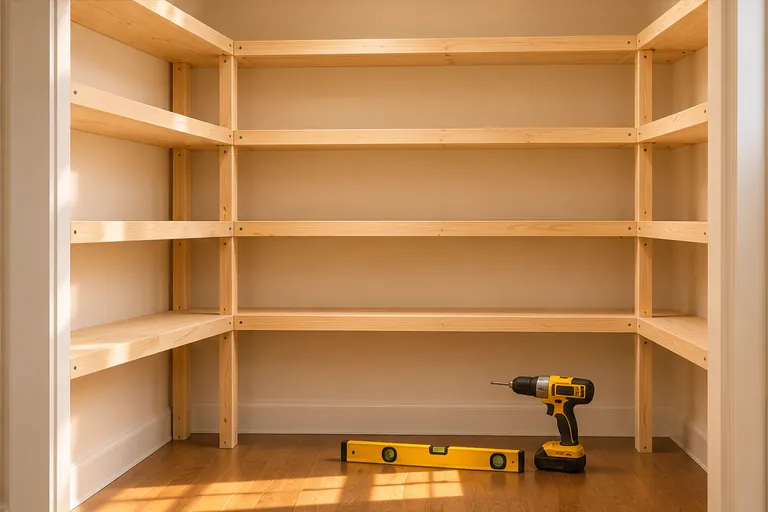
Shop this guide
Products to consider
As an Amazon Associate I earn from qualifying purchases. Product illustrations are representative; check Amazon for actual photos, sizes and current details before you buy.
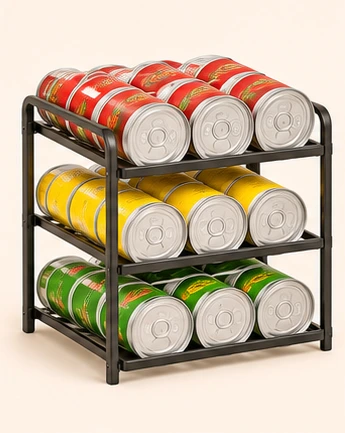
Kitchen Details 3 Tier Can Organizer
Kitchen Details' three-tier can organizer groups cans on separate levels for more organized pantry storage.
View on Amazon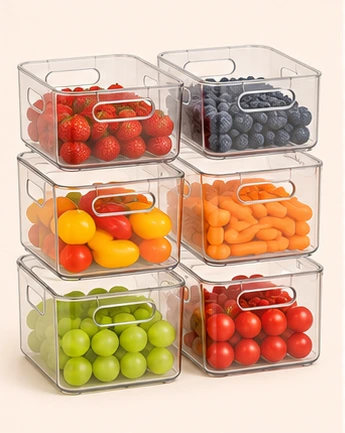
6-Pack Pantry Organizers and Storage, Clear Fridge Organizer Bins
This six-pack of clear refrigerator-style bins also offers visible sorting for suitable packaged pantry goods.
View on Amazon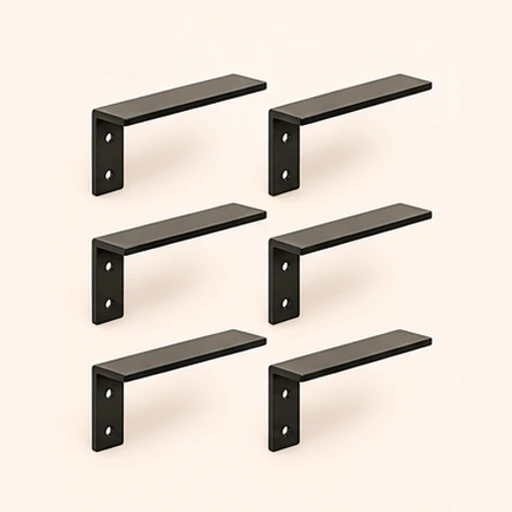
6 Inch Floating Shelf Brackets,6 Pack L‑Shape Shelf Supports
Six-inch L-shaped supports are a six-pack of brackets rather than complete shelves; choose compatible boards and fixings.
View on Amazon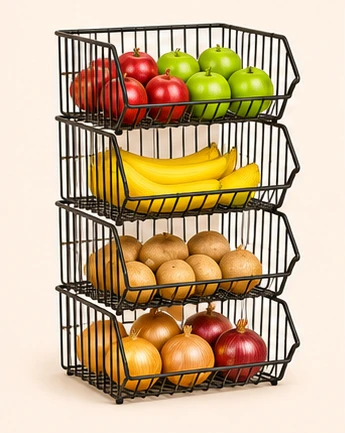
4 Pcs Stackable Wire Baskets Pantry Organizers and Storage Bins,Black
Four black stackable wire baskets provide open, layered storage for suitable produce or packaged pantry supplies.
View on Amazon1. Inventory the existing pantry and the real load
Empty one shelf at a time and group belongings by weight and frequency of use. Count heavy cans, small appliances, glass jars and bulk ingredients. Photograph the wall and any existing brackets before removing hardware. You are planning the supports for the items you will store, not recreating a reference photo.
List each proposed shelf length, depth, elevation and the objects intended for it. A deeper shelf can hide items and amplify the load far from the wall; a very high shelf can encourage unsafe climbing. Keep regularly used heavy items low and within comfortable reach. Use the pantry shelving buying guide for the choice between shelf types.
2. Identify the wall and what may be inside it
Check whether the surface is drywall, masonry, plaster, tile or another finish and whether it is a structural or shared wall. Determine what framing or approved attachment substrate is present. Never assume a hollow-wall anchor has the same capacity in every installation. Anchor performance depends on the substrate, fasteners, shelf geometry and the manufacturer’s directions.
Before any drilling, consider hidden electrical wiring, plumbing, gas piping and other services. When the location is uncertain, do not drill until a qualified person has assessed it. In rented housing, obtain written permission where required. Verify whether local rules or the scope of work call for a permit or licensed installer.
3. Calculate a conservative shelf plan without inventing a rating
For each proposed shelf, record its own weight plus the contents you intend to place on it. Manufacturer ratings may depend on the exact bracket spacing, material and mounting pattern. No general “X pounds per foot” figure is safe to apply to every pantry wall. Use the shelf and hardware manufacturers’ documented limits together with the conditions of your installation.
A quick planning sketch might show an 18-inch-deep shelf over a door, but that diagram does not prove safe support. Consider deflection, access for cleaning, clearance above bins and where the door handle moves. If the support information is incomplete, choose a lower-risk freestanding solution or consult a qualified installer instead of guessing.
4. Check clearances, moisture and daily use
Mock up the shelf with paper or cardboard to see how far it projects. Test whether jars can be lifted out without scraping an upper shelf and whether appliance cords can be stored without damage. Avoid shelves that narrow an essential passage or block access to electrical and mechanical equipment.
Inspect damp spots, wall discoloration or signs of pests before enclosing the area. Resolve moisture problems first, and choose surfaces that can be cleaned. Pantry shelving is not a substitute for fixing a leak. If existing shelves can be rearranged or risers reused, test that no-build improvement before deciding to alter the wall.
5. Write a go/no-go installation checklist
Before purchase or installation, confirm: wall type; location of hidden services; landlord or permit restrictions; exact shelf and fastening instructions; stated rated loads; bracket configuration; required tools; safe lifting help; and planned storage weights. Stop when a necessary item is unknown. This is deliberately a planning article, not a universal drilling procedure.
If installation proceeds, follow the instructions for the exact components, including fastening and safety warnings. Recheck fasteners and shelf condition per manufacturer recommendations, and do not exceed the specified loads. Save the measurements in My Room Project and use our purchase checklist for returns and materials.
Frequently asked questions
Practical answers about diy pantry shelves, fit and everyday use.
Can I attach pantry shelves to drywall alone?
There is no universal yes or no. Verify the exact wall substrate, approved fasteners and manufacturer-rated configuration.
How much weight will a pantry shelf hold?
Use the documented capacity of the complete shelf-and-support installation; do not infer it from shelf length alone.
Should I drill in a rented apartment?
Check your lease and obtain permission where required, then verify hidden utilities and applicable rules before work.
Can DIY pantry shelves be installed over existing electrical outlets?
Do not conceal electrical boxes or block required access. Have a qualified professional advise on conflicts before drilling.
Should pantry shelf plans include a cleaning gap?
Yes. Allow enough space to wipe walls, retrieve spills and inspect corners rather than creating unreachable narrow slots.
What if a pantry wall has unknown plumbing?
Pause before drilling and identify concealed services using appropriate methods or professional help; a shelf project is not worth damaging a pipe.
Sources and further reading
These are general safety and consumer references, not verification of an individual product.
Independent educational guidance, not a hands-on product test. Check manufacturer instructions, property rules and applicable safety requirements. Affiliate disclosure.