Storage Shelves - 5 Tier Shelf Organizer, Heavy Duty Garage Shelving Unit with Leveling Feet, Stable Metal…
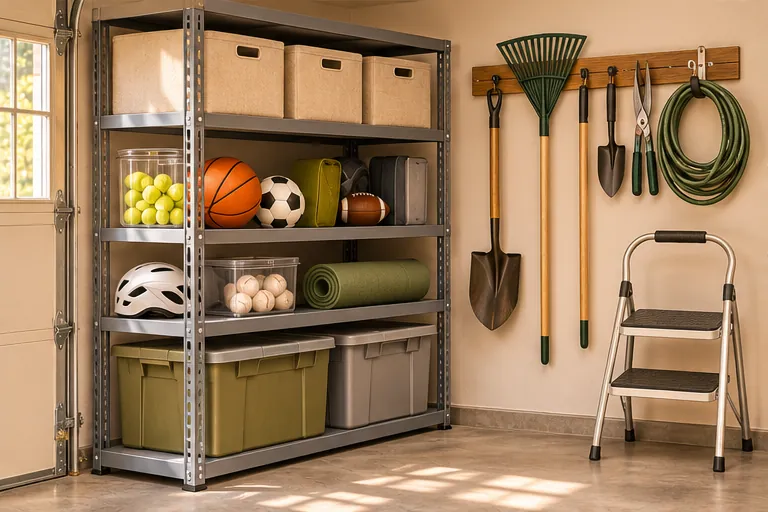
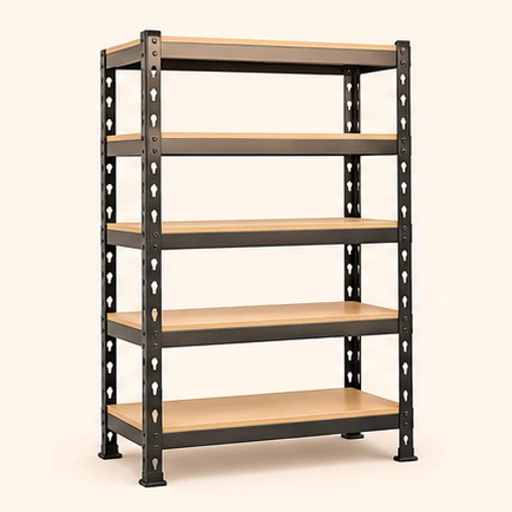
A five-tier metal shelf with leveling feet offers a stationary pantry storage arrangement for bins and household supplies.
View on Amazon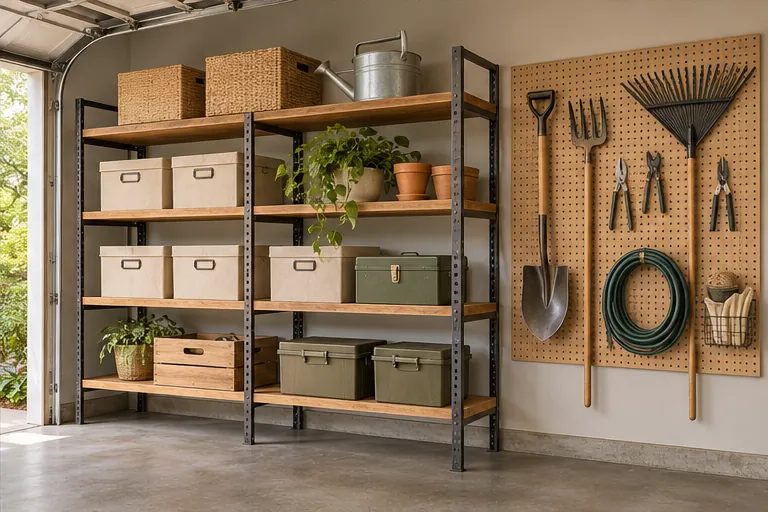
Room Guide / Garage & Utility
Garage organization is mostly about safe zones, honest load ratings and keeping heavy items low. These guides cover shelving, utility cabinets, tool and broom storage, and car trunk organizers.
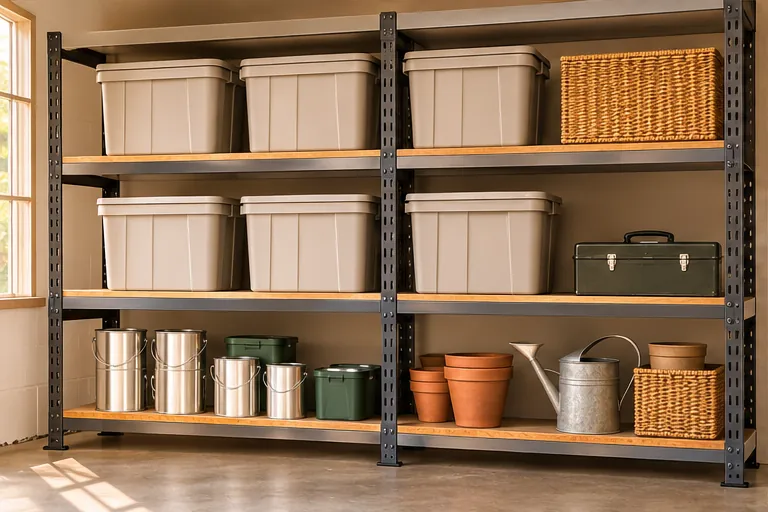
For shelving, compare usable shelf depth, the manufacturer’s per-shelf load rating and the footprint with bins in place. For wall storage, identify the wall construction and permitted mounting method. Keep the heaviest equipment low and avoid blocking doors or electrical equipment.
Shop this guide
As an Amazon Associate I earn from qualifying purchases. Product illustrations are representative; check Amazon for actual photos, sizes and current details before you buy.
A five-tier metal shelf with leveling feet offers a stationary pantry storage arrangement for bins and household supplies.
View on Amazon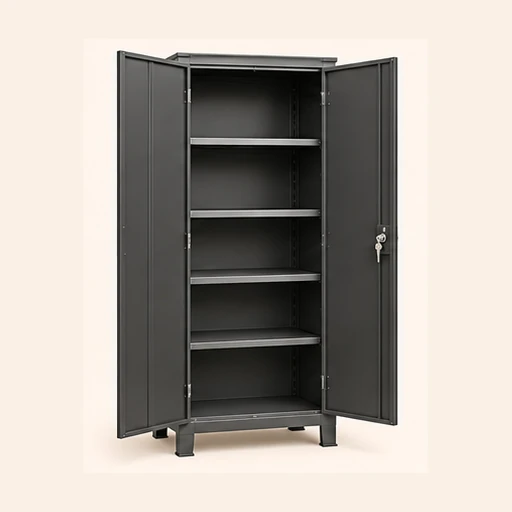
Two lockable doors distinguish this adjustable-shelf metal storage cabinet for supplies you want to keep enclosed.
View on Amazon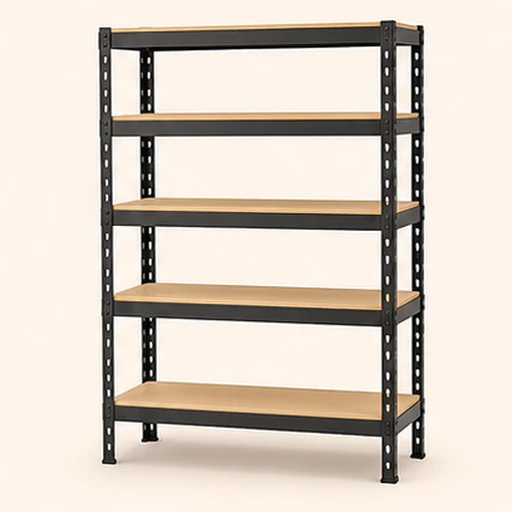
Five adjustable metal shelves let you change the spacing for different box heights; confirm the footprint and load rating.
View on Amazon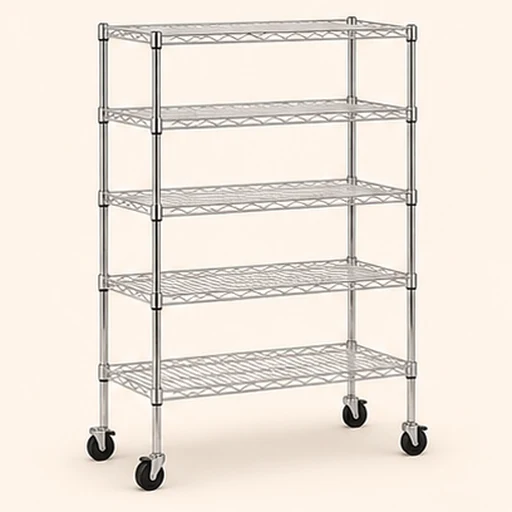
Amazon Basics' five adjustable wire shelves and four-inch casters allow you to move a compatible loaded storage unit as directed.
View on AmazonHow-to & ideas
Plan garage storage zones around movement, weather, heavy objects and safe handling of hazardous household products.
Buying guide
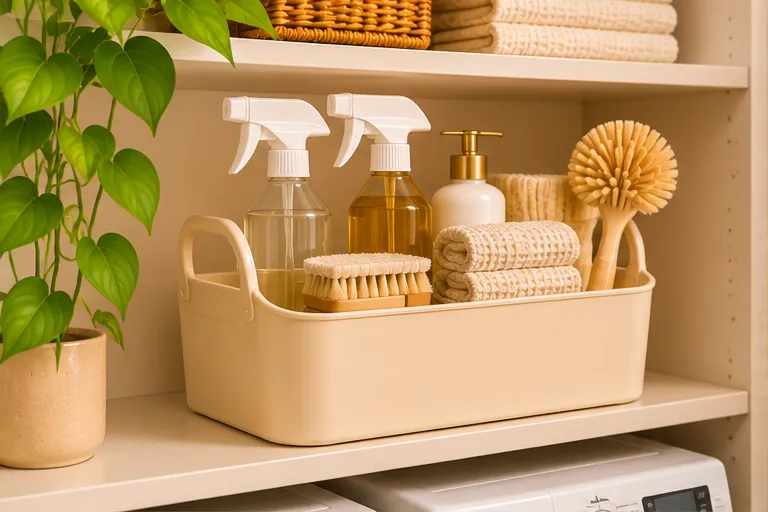
Cleaning supply organization that keeps products safe and easy to grab: caddies, closets and under-sink storage, plus which products never to store or mix together.
Buying guide
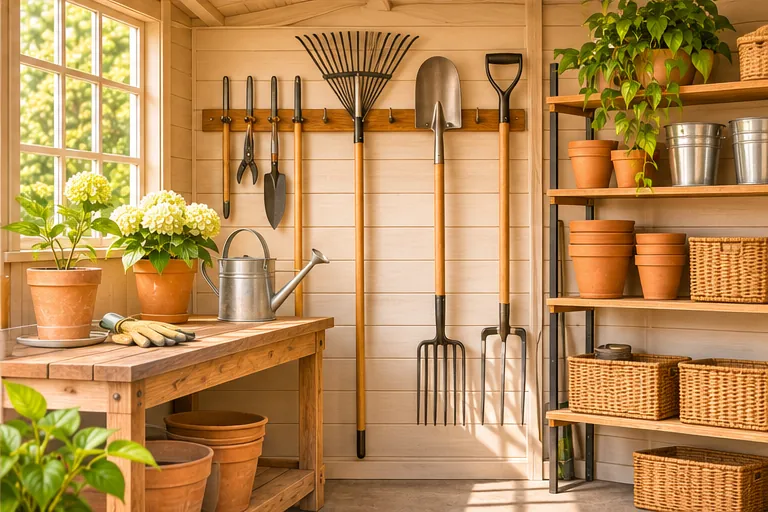
Garden shed organization and storage ideas: work zones, wall-mounted tool storage, shelving, and safe storage of gasoline and garden chemicals.
Buying guide
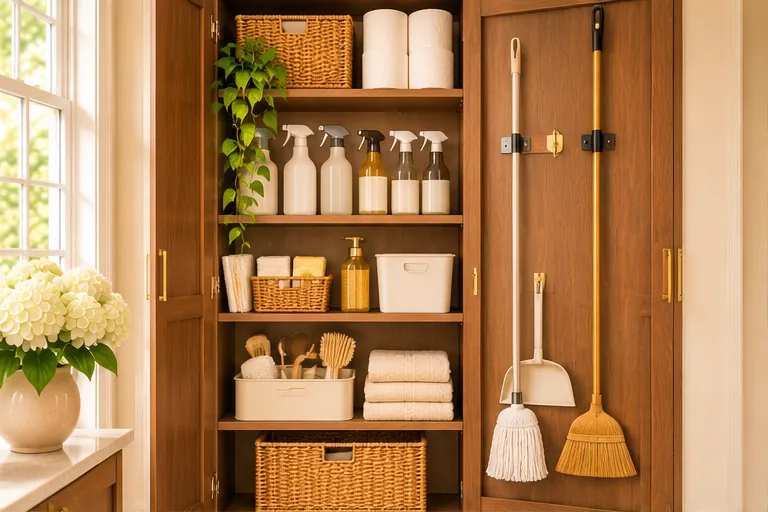
A practical guide to choosing utility storage cabinets for cleaning supplies, tools, and household overflow with safety and access in mind.
Shortlist
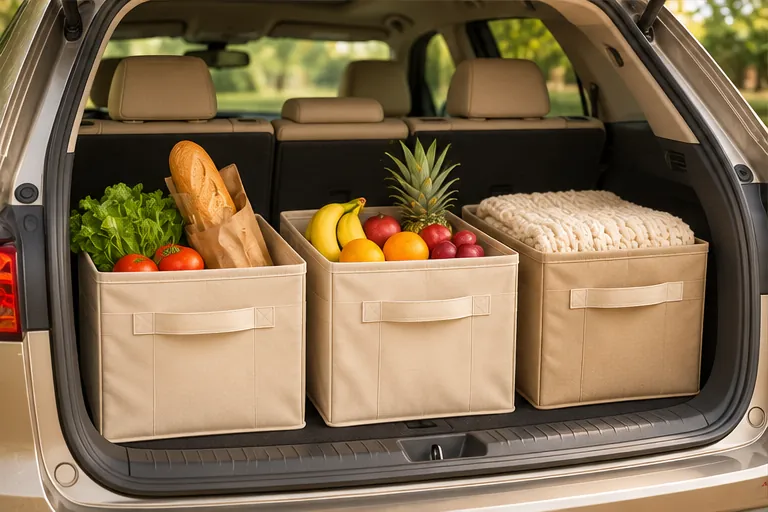
Compare trunk storage ideas while prioritizing securing cargo and access to emergency items.
Shortlist
Safely choose a garage storage rack based on the load it must carry, the floor it rests on and whether it blocks the vehicle.
Shortlist
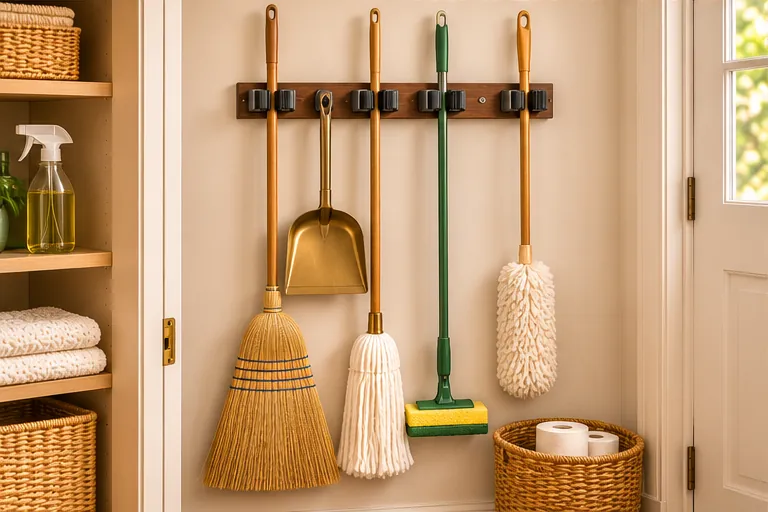
Compare manufacturer-documented broom grippers and hooks using real handle and surface checks.
Measure first with our free room tools · Before-you-buy checklist
Further reading (official sources, checked November 22, 2026): EPA — Household Hazardous Waste · CPSC — Fuel Container and Gasoline Safety
Practical answers about garage organization, fit and everyday use.
Place heavier items on lower shelves within the rated capacity. Keep frequently used tools accessible and follow the manufacturer's anchoring instructions.
Sort everything into zones such as tools, sports, garden and car care, and get rid of what you don't use.
Wall rails, hooks and pegboards keep long tools and hoses off the floor. Mount them into studs as directed.
It depends on the unit and how it is assembled. Check the maker's rating per shelf and anchor tall units.
Clear bins show contents; solid bins hide clutter. Labels help either way.
Keep them in original containers, up high or locked, away from children, pets and heat.
Measure with your vehicles parked and the garage door in normal use. Record the clear width along each wall, the depth remaining beside the vehicle, overhead obstructions and the location of service equipment. Include space to open car doors and retrieve a bulky item without stepping into the vehicle path. Make a simple floor plan before committing to a tall rack or wall-mounted storage system.
Group tools by the job they perform. Keep equipment needed for weekly maintenance accessible and put seasonal equipment in a labeled zone. Heavy items belong on suitable low supports, not above the place where people walk or work. Do not assume that a shelf advertised for a large total capacity carries that amount on each individual shelf; check the specific manual and configuration. Keep access to electrical panels and other equipment clear.
When comparing freestanding shelving, record the size of your largest bin and check usable shelf spacing, shelf depth and the leveling requirements. Closed cabinets reduce visual clutter but need door clearance and may make frequently used equipment harder to see. A wall system can free floor area, but the mounting surface and hardware must be compatible. Have a qualified installer assess the wall if you are unsure of its construction.
Start with a no-purchase trial. Remove unrelated items from the work zone, sort what remains and use labels to identify where each category returns. Walk the space again after several days of normal use. If a tool consistently ends up on the floor, move its storage closer to the task. The measurements and workflow can be checked now; the exact shelf capacity, mounting method and compatibility with your garage require current product documentation.