Practical How-To / Small bedrooms
How to Arrange a Small Bedroom for Circulation and Better Sleep
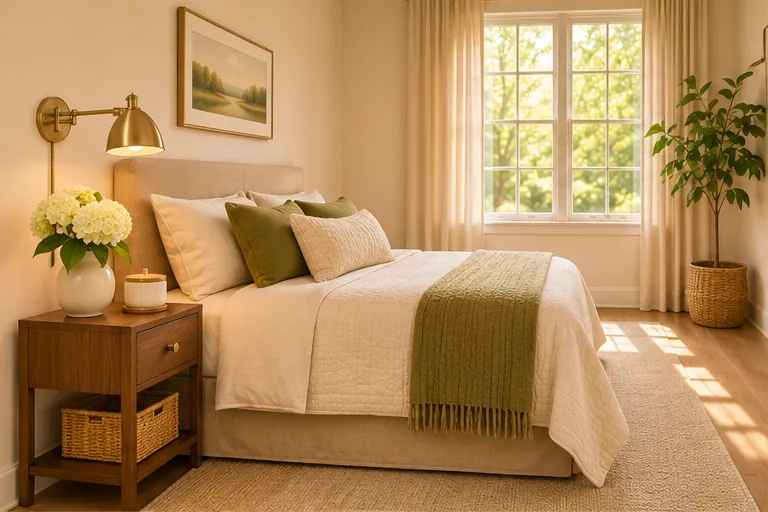
In a tiny bedroom, the best arrangement is the one that lets you enter, move, dress and rest without squeezing past furniture. Plan the walking route first.
Shop this guide
Products to consider
As an Amazon Associate I earn from qualifying purchases. Product illustrations are representative; check Amazon for actual photos, sizes and current details before you buy.
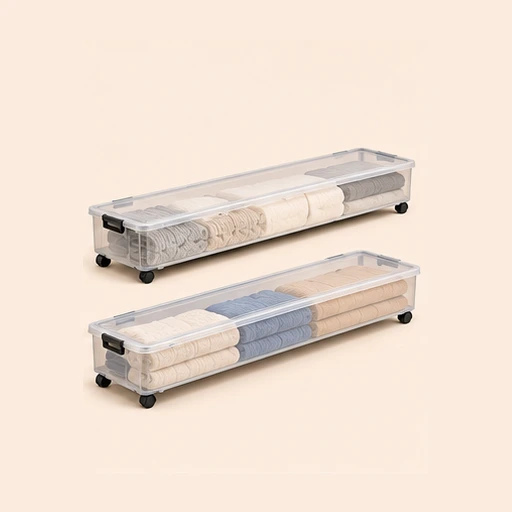
Under Bed Storage with Wheels, 2 Pack 36" Extra Long Container
Two extra-long 36-inch wheeled containers suit long open spaces below a bed; account for room to pull them out.
View on Amazon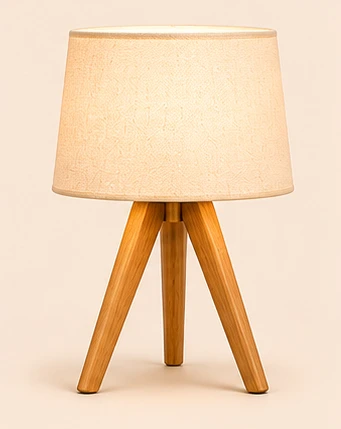
EDISHINE Tripod Table Lamp, Small Cute Bedside Lamp, 14.2 Inch, E26 Base
EDISHINE's 14.2-inch tripod lamp has an E26 base and a compact bedside scale; check bulb requirements.
View on Amazon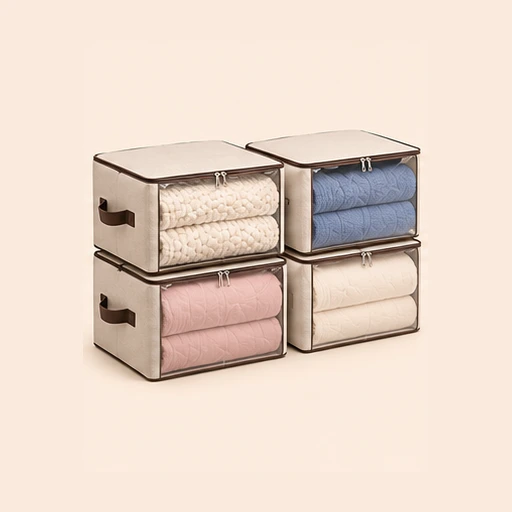
Underbed Storage Bags 4-Pack - Foldable Under Bed Storage Organizer for Clothes, Bedroom Blankets, Comforter,…
Four foldable under-bed bags organize seasonal clothes and bedding and can be folded away when empty.
View on Amazon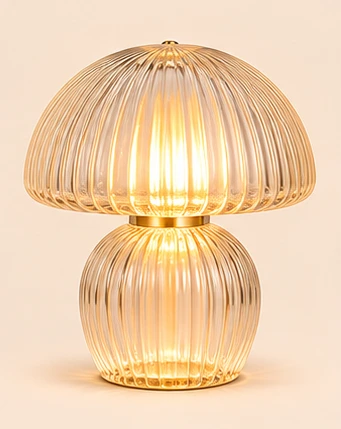
ONEWISH Mushroom Lamp Small Vintage Table Lamp for Bedroom Nightstand, Bedside Lamp Translucent Glass Stepless…
ONEWISH's translucent glass mushroom lamp adds a vintage rounded silhouette and is listed with stepless dimming.
View on Amazon1. Start with the bed and the route to the door
Measure the room wall to wall, recording window position, the door's full opening arc, closet doors, outlets and fixed heaters or vents. Measure the actual bed frame—not just the mattress label—including projecting headboard or footboard parts. Draw a rough grid and place the bed as a cardboard rectangle before rearranging anything heavy.
Trace the route from the doorway to the sleeping position and the closet. Try it with the door open and with the room in normal evening lighting. If a dresser drawer cuts off that route, move the proposed dresser footprint on paper before moving furniture. Keep exits and emergency access free. A published accessibility width is guidance for particular regulated spaces, not a universal minimum applicable to every private bedroom.
2. Make bedside necessities reachable
Sit on the mattress edge and reach for where a water glass, light control, glasses or phone would naturally sit. The important test is your own reach—not the styling of a nightstand online. Put a small removable object on a temporary stool or existing low shelf and see whether you can retrieve it without leaning dangerously or stretching across a walkway.
For someone who gets up during the night, check visibility of the path to the door and bathroom. Secure loose cords away from feet and avoid a rug edge that catches slippers or mobility aids. Keep necessary lights easy to operate and consider low-glare illumination rather than a harsh bulb aimed at the bed. Our nightstand buyer guide covers product choices if the existing surface does not work.
3. Give the closet or dresser a true opening zone
Open every drawer and closet door to its usable extent. Measure the free space left while those parts are open. A furniture layout is not functional merely because everything fits when closed. Move rarely used belongings out of the daily walking route; use the accessible existing storage before adding a new storage tower.
Remove one low-value piece of furniture from your drawing and reconsider the layout. Sometimes replacing two small occasional surfaces with one shared surface works; sometimes a single smaller dresser is enough. Avoid stacking storage furniture or loading its top with heavy objects. Follow the manufacturer's anchoring and weight instructions, especially in homes with children.
4. Test two layouts without committing money
Sketch layout A with the bed against the long wall, then layout B with the bed centered or in another feasible position. For each, score four everyday actions: entering and exiting, opening storage, reaching bedside essentials and changing bedding. Do not chase symmetry at the expense of the routine.
Mark the alternative furniture outlines using removable tape. Carry a laundry basket through the routes and try an ordinary bedtime sequence. Check whether a window, heater, outlet or door becomes blocked, and whether making the bed requires climbing over furniture. If the existing pieces can be rearranged safely, that may be the full project.
5. Live with the chosen plan for seven nights
Try the layout for a week before ordering furniture. Keep a short note about collisions, clutter buildup and anything difficult to reach in the dark. If another household member uses the room, have them test it too. A tiny space can feel calmer with fewer visible objects, but visual style should follow usability and personal preference.
If you still need a piece, measure its full depth including handles and opening swing, assess stability and anchoring, verify return and assembly terms, and set a budget. Store the room's dimensions in My Room Project, and run the purchase checklist before buying.
Frequently asked questions
Practical answers about how to arrange a small bedroom, fit and everyday use.
How to arrange a small bedroom: where should I start?
Use a measured floor sketch, bedside reach tests, furniture editing and a seven-night trial to make a tiny bedroom more functional.
Should I push my bed into a corner?
Only if you can enter and exit safely, make the bed and access necessary furniture; test both layouts.
Can I use a large rug in a tiny bedroom?
Check the edges, trip risk and path clearance first; decorative rugs are optional.
How do I know if a nightstand will fit?
Include its full depth and any drawer or door opening area, then test bedside reach with a mock-up.
Does a tiny bedroom need two matching nightstands?
No. A slim shelf on one side and a smaller surface on the other may work better if both people retain safe access to their essentials.
How can I make a bedroom layout feel less crowded?
Keep the door swing and primary walking path open, and reduce pieces with little daily purpose before adding shelves.
Sources and further reading
These sources support general planning and safety guidance, not any retail-product endorsement.
Independent educational guidance, not a hands-on product test. Check official safety information, manufacturer instructions, local requirements, and current retailer policies as applicable. Affiliate disclosure.