Buying advice / Bedroom
How to Choose a Nightstand: The Right Height, Reach, and Bedside Storage
A nightstand is successful when a person can reach what they need from bed, see the lamp controls, and walk past it comfortably. The shape that photographs best is not always the shape that works for the sleeper.

Shop this guide
Products to consider
As an Amazon Associate I earn from qualifying purchases. Product illustrations are representative; check Amazon for actual photos, sizes and current details before you buy.
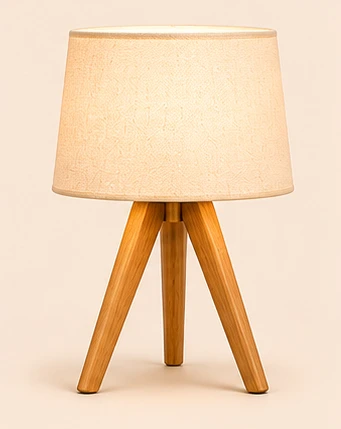
EDISHINE Tripod Table Lamp, Small Cute Bedside Lamp, 14.2 Inch, E26 Base
EDISHINE's 14.2-inch tripod lamp has an E26 base and a compact bedside scale; check bulb requirements.
View on Amazon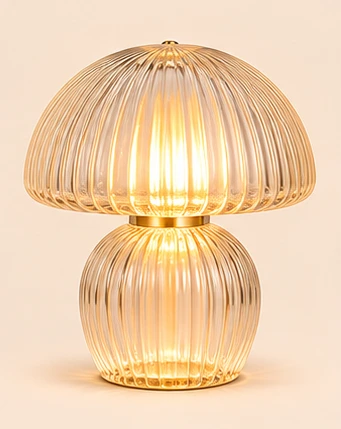
ONEWISH Mushroom Lamp Small Vintage Table Lamp for Bedroom Nightstand, Bedside Lamp Translucent Glass Stepless…
ONEWISH's translucent glass mushroom lamp adds a vintage rounded silhouette and is listed with stepless dimming.
View on Amazon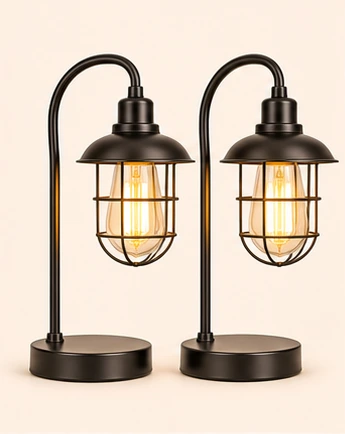
Industrial Bedside Lamps Set of 2, Fully Dimmable Desk Lamps for Bedroom
Two fully dimmable industrial-style bedside lamps provide matching accent lights for a room with darker metal furnishings.
View on AmazonStart with the mattress and the sleeper
Measure from the finished floor to the top of the mattress with the bed made. Then consider how far the sleeper can comfortably reach while lying or sitting in their usual position. Many shoppers prefer a nightstand top near mattress level, but that is a comparison point—not an ergonomic requirement for every person or bed.
Use stacked books or a sturdy temporary surface to test the approximate height. Set the actual lamp, water glass and phone in their likely positions. Can you switch off the light without leaning far over the mattress? Are glasses easy to find without moving several objects?
Now measure the clear floor space beside the bed and any door or drawer path. The table’s outer width is not the same as usable space for a chair, walker, outlet access or the person making the bed. Leave enough passage for the household’s actual movement needs.
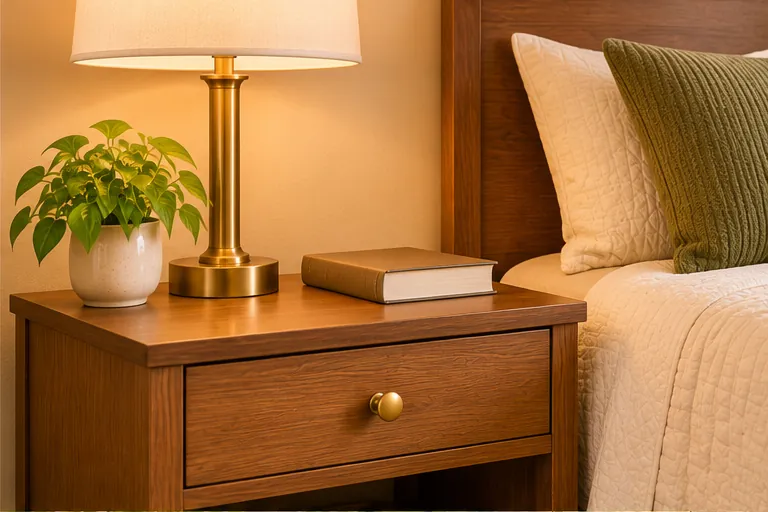
Open shelf, drawer or compact table?
A single open shelf works for readers who want a book and charging cable immediately visible. It requires more frequent dusting and exposes small items to curious children or pets. An open cubby can also become a place where papers disappear behind larger items.
A drawer hides medications, cables and personal objects, but the drawer must open fully without striking the bed, closet door or nearby furniture. Compare interior drawer dimensions with the things you plan to keep there. Some attractive slim tables have a surprisingly shallow drawer once the slide mechanism is accounted for.
A minimal side table may be sufficient if the bedroom already has storage. A second large bedside cabinet simply to make both sides visually symmetrical can waste money and reduce circulation. Choose separately for each sleeper’s needs if the room layout allows.
Make the lighting and charging plan real
Check the size of your actual lamp base, plus the footprint of a phone or book, against the usable top surface—not just the overall nightstand dimensions. A top crowded with decorative objects can leave nowhere safe to set a glass. Keep cords clear of feet and bedding, and do not pinch them behind furniture.
If a nightstand advertises built-in charging ports, inspect the electrical specifications, certifications and location of the outlet and cord. A built-in USB socket is not a reason to ignore cable management or product safety information. Plug strips, extension cords and electrical products must be used according to their instructions.
For older adults and anyone who gets up at night, consider an easy-to-operate bedside light or night lighting that illuminates the walking route. Keep the floor unobstructed. This is practical comfort guidance, not medical or accessibility certification.
Consider stability and upkeep
A high or narrow cabinet can have stability concerns, especially if drawers are pulled out or children can climb on it. Follow the manufacturer’s anchoring instructions and current CPSC furniture tip-over advice. The safest placement does not rely solely on a decorative photograph or the weight of the objects inside.
Materials should fit how the table will be used. A glass of water, lotion and regular cleaning are hard on some finishes. If the surface needs a coaster or special care, find that out before buying. Inspect whether a raised lip, rough texture or deep grain will make daily cleaning harder.
If the table is delivered flat-packed, check the assembly sequence, required tools, weight of individual pieces, and whether it can be safely moved by the people who live there. A large dresser is not automatically a practical bedside substitute.
Try a no-purchase solution and check the final fit
Before buying, clear the bedside surface you already have. Remove items that belong in a closet or drawer elsewhere. Move the lamp into a better position, or use a stable small table already owned for a week. The experiment reveals the height and storage that genuinely matter.
For any new piece, verify outside and drawer dimensions, stated loads, anti-tip instructions, finish care, delivery route, assembly needs and return terms. Save mattress height and clearance in My Room Project; the Before You Buy checklist helps prevent last-minute surprises.
Frequently asked questions
Practical answers about how to choose a nightstand, fit and everyday use.
How to choose a nightstand: where should I start?
Choose a nightstand that fits your mattress height, lamp, drawer needs and walking clearance, without buying furniture that only looks good.
Should a nightstand be higher or lower than the mattress?
A top near mattress height is a useful starting point, but test comfortable reach with the actual sleeper, lamp and bed rather than following a universal rule.
Is a drawer necessary?
Only when you need concealed storage. A stable open shelf or small table may be more practical if the bedroom already has enough drawers.
Do nightstands need to be anchored?
Follow manufacturer installation instructions and CPSC tip-over prevention guidance, especially where children might climb furniture.
Should nightstand drawers hold medication?
Follow medication storage instructions and keep medicines secure around children or guests; a bedside drawer is not automatically appropriate storage.
How can I organize a nightstand with no drawer?
Use one small tray for nightly essentials and move infrequently used items elsewhere; an exposed top becomes cluttered quickly.
Sources and further reading
These sources support general safety and planning guidance, not the performance of a specific item.
Independent educational guidance, not a hands-on product review. Verify exact-model specifications, mounting requirements, care instructions, and retailer policies before purchase. Disclosure.