Practical How-To / Pantry Organization
Small Pantry Organization Ideas: Zone the Shelves You Already Have
A small pantry does not need identical containers to work. It needs clear zones, visible dates, and a layout that matches how food is actually used.
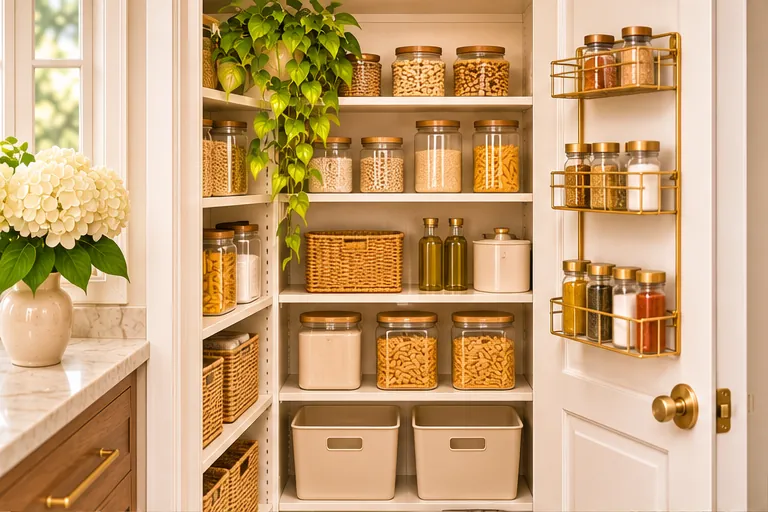
1. Empty one shelf and take inventory
Begin with one manageable shelf, not the whole pantry. Set items on a clean counter, wipe the shelf according to its finish, and examine packaging. Separate food from cleaning agents and anything that should not be stored with it. Check use-by or quality dates as applicable and look for damaged packaging, pests, or visible spoilage. Follow official food-safety guidance for any item that might no longer be safe.
Write down the five groups your household uses most: breakfast, baking, quick meals, snacks, and extras, for example. Change the categories to fit your cooking habits; an occasional ingredient does not deserve the easiest-to-reach shelf merely because it looks attractive in glass. Note duplicate open packages before opening anything new.
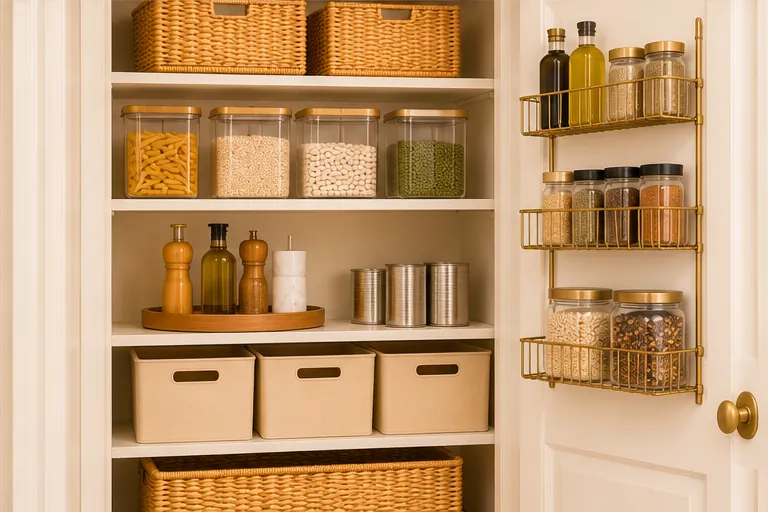
2. Put everyday food in the easiest zone
Make one shelf or portion of a shelf the easy-reach zone for frequent meals. Items used together should be near each other: oats with breakfast additions, rice with common cooking ingredients, or children's approved snacks in a reachable location. Keep foods in their original labeled packaging when that preserves important preparation, ingredient, allergen, date, or storage information.
Do not place heavy glass jars, large cans, or bulky liquid bottles where someone has to stretch above shoulder height. Store heavier food lower, use the manufacturer's shelving load instructions, and keep the floor or the path to the pantry clear. The safest location depends on the people in the home and how each item is handled.
3. Create a backstock boundary
Choose one modest area for unopened duplicates. Before shopping, look there first. Arrange new stock behind older usable stock when appropriate, while checking each product's actual date and storage requirements. A written note on the pantry door can remind the household of duplicates that cannot be seen from the front.
Avoid hiding cans behind a permanent second row that you never inspect. If deep shelves create forgotten food, use a low cardboard mock-up, a simple handwritten shelf label, or a shallow existing tray first. Only consider a riser or pullout when you have measured access and proven that the organization problem continues.
4. Preserve package information and food safety
Transferring dry goods into containers is optional. If you do, retain the product name, allergen details, cooking directions, date, and relevant lot information somewhere accessible; never assume an unlabeled clear jar is sufficient for every household. Wash and completely dry reusable food containers according to their instructions before filling.
Follow package instructions for foods that require refrigeration after opening. For food-storage decisions, use authoritative USDA guidance rather than a decorating photo. Watch for humidity or leaks, and do not mask a damp pantry with sealed decorative baskets. Pantry shelving must not block a vent, service access, or an escape route.
5. Test with one week of meals
For seven days, leave the system alone except to return items to their labeled zones. When groceries arrive, place them in the same categories. Count how many times you have to move one object to get another. If that happens repeatedly, the zone may be too broad or the shelf too deep.
After the trial, measure only the shelf that still fails. Compare internal container size to the packaged food's dimensions, not just an organizer's outer dimensions. Our pantry measuring guide, pantry planning article, and saved room notes can help. The result should be less wasted food and less searching—not the purchase of matching jars.
Products to compare
As an Amazon Associate I earn from qualifying purchases. These are related options from our buyer-guide research, not hands-on tested rankings. Check current listing details, fit and availability before ordering.
- Vtopmart 8 Pack Food Storage Organizer Bins, Clear Plastic, 4 Compartments — Eight Vtopmart clear plastic bins with four compartments help separate small packaged foods within visible storage zones. View on Amazon (paid link).
- Kitchen Details 3 Tier Can Organizer — Kitchen Details' three-tier can organizer dedicates a stepped storage area to canned goods; check can sizes. View on Amazon (paid link).
- 12 PACK Multi-Use Clear Storage Bins, Pantry Kitchen Cabinet Organizer Bins — Twelve multipurpose clear storage bins provide enough separate containers to establish multiple pantry categories. View on Amazon (paid link).
See the complete buyer guide for more options and fit checks.
Frequently asked questions
Practical answers about small pantry organization ideas, fit and everyday use.
How can I make food easier to see in a small pantry?
Group similar foods, place shorter items in front and use a measured riser where height permits. Keep labels visible and avoid filling shelves so tightly that items cannot be removed.
What are quick small pantry organization tips?
Group food by meal or use, put daily items at eye level, keep heavy items low, and use the back of the door for small packets if it has clearance.
Do I need matching food-storage containers?
No. Clear zones and visible labels can work while foods remain in their original packaging.
Where should heavy canned goods go?
Choose stable shelving at a comfortably reachable lower level, within the shelf manufacturer’s stated capacity.
How do I prevent duplicate purchases?
Keep a defined backstock area and check it when preparing your shopping list.
How do I zone a small pantry shared with roommates?
Give shared staples and personal groceries separate visible zones, and label agreed areas without reorganizing someone else's food.
Where should backup pantry food go in a studio kitchen?
Keep a small accessible reserve and use another dry, suitable cabinet for overflow rather than stacking food on the floor.
Sources and further reading
These sources support general planning and safety guidance, not any retail-product endorsement.
Independent educational guidance, not a hands-on product test. Check official safety information, manufacturer instructions, local requirements, and current retailer policies as applicable. Affiliate disclosure.