Buying advice / Kids & Family
Board Game Storage Ideas: Shelves, Cubes, and Keeping Boxes Intact
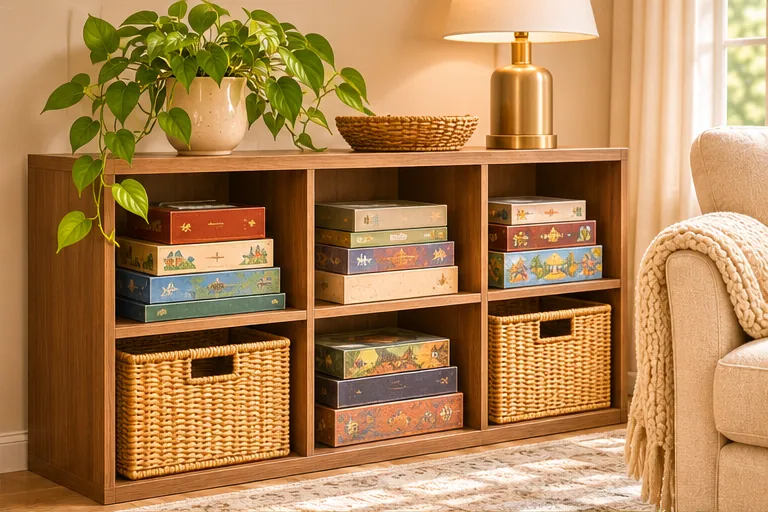
Board games fail in storage when boxes crush, lids pop off and small pieces scatter. The fix is the right shelf depth, sensible stacking and a plan for loose pieces.
Shop this guide
Products to compare
As an Amazon Associate I earn from qualifying purchases. Picked from Amazon listing details; we have not tested these in person. Illustrations are AI-generated and representative; check Amazon for actual photos, sizes and current details before you buy.
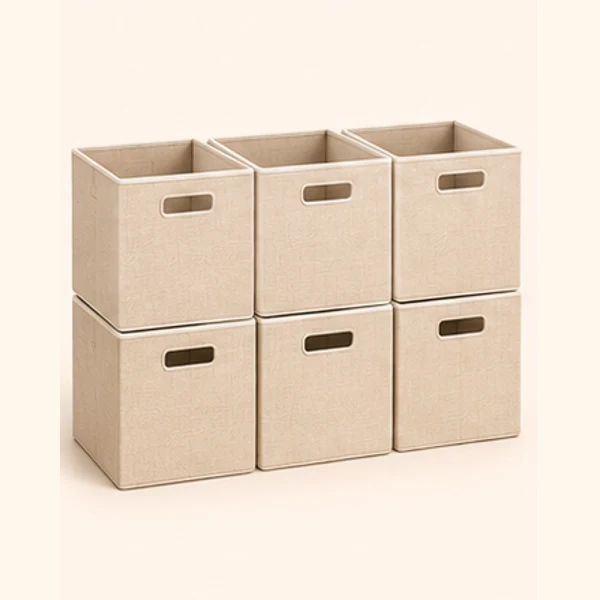
Fabric storage cubes
Measure the cubby opening.
View on Amazon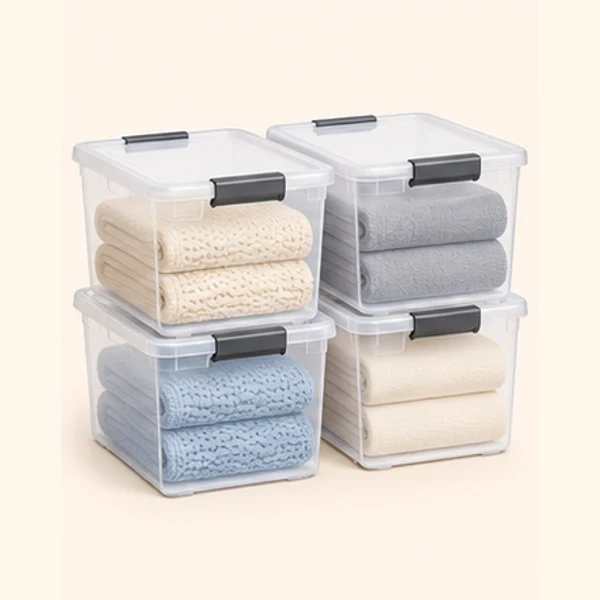
IRIS clear storage boxes
Check box and component dimensions.
View on Amazon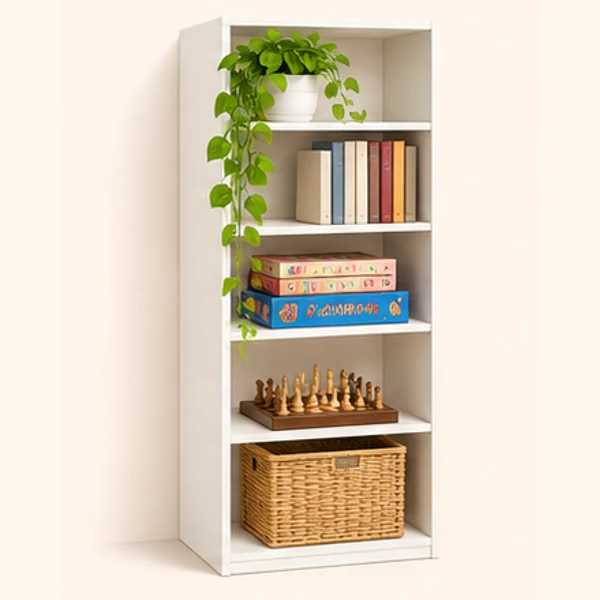
Furinno five-cube bookshelf
Measure shelf depth against your largest game.
View on Amazon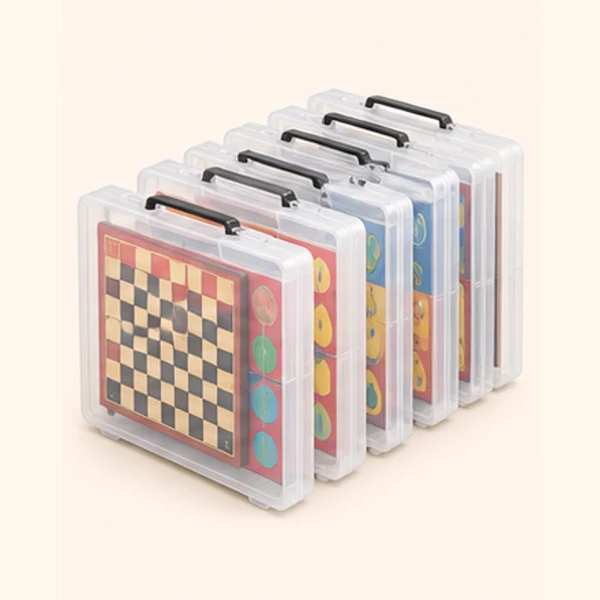
IRIS board game cases
Check whether boards and instructions fit.
View on AmazonMeasure your biggest boxes
Many standard game boxes are roughly square and about 11 to 12 inches across, while larger strategy games can be bigger. Measure your three largest boxes before choosing shelving, because a shelf that is too shallow leaves boxes hanging over the edge.
Choose flat or upright
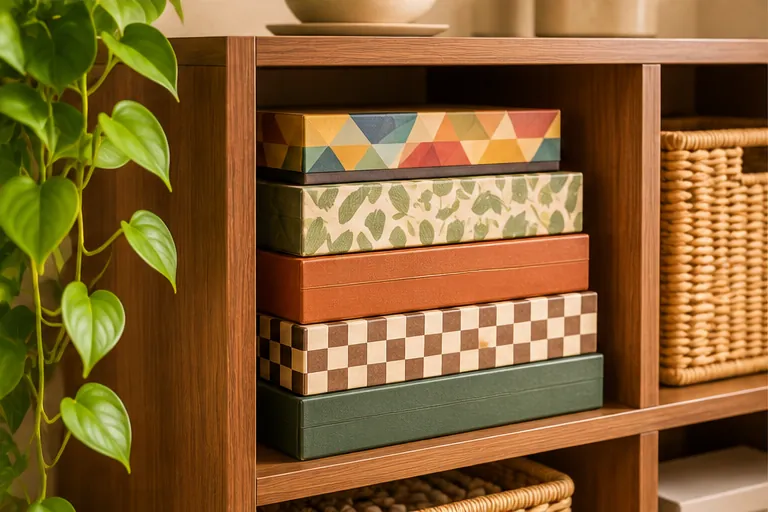
Flat stacks keep pieces in place but the boxes at the bottom crush over time and are hard to pull out; keep stacks short. Upright like books makes every box easy to grab, but loose pieces slide to one end, so bag or box the components first.
Pick the furniture
Cube storage units fit many standard boxes and let you mix games with toy bins. Bookcases work when shelf depth matches your boxes. Closed cabinets keep dust off and reduce visual clutter in a living room. Tall units should be anchored to the wall to prevent tipping, especially where children climb.
Contain the pieces
Small zip bags, card boxes and rubber bands that are not too tight keep components together. Store tiny pieces away from very young children, since many game pieces are small parts. A note of missing pieces inside the lid saves frustration later.
Make it easy to play
Keep family favorites at reachable height and rarely played games higher up. Rotate a few games into the living room and store the rest elsewhere. For general toy storage, see our toy storage ideas and playroom organization ideas.
Checklist before you buy
- Width, depth and height of your three largest game boxes.
- Inside shelf depth and the clear height between shelves.
- Whether the unit includes wall-anchoring hardware, and what your wall is made of.
- How many games you own now, plus room for a few more.
- Where children will reach for games, and whether small pieces should be kept higher.
If boxes are crushing or lids are splitting, the problem is usually stack height: two or three boxes per stack is easier on the boxes and on the person pulling one out.
Frequently asked questions
Practical answers about board game storage ideas, fit and everyday use.
Should board games be stored vertically or flat?
Store boxes flat if loose pieces can spill or the box is weak. Vertical storage saves access space when contents are secured and the boxes fit upright.
Should board games be stored flat or upright?
Upright is easier to access if components are bagged; flat keeps pieces in place but crushes lower boxes in tall stacks.
What shelf depth do board games need?
Measure your largest boxes; many standard games are about 11 to 12 inches across, larger games more.
Are cube organizers good for board games?
They fit many standard boxes and work well for families, but check your biggest boxes first.
How do I keep game pieces from getting lost?
Bag or box components inside each game and keep a note of anything missing.
Do game shelves need anchoring?
Tall shelving should be anchored to the wall, particularly in homes with children.
Sources and further reading
These sources inform general planning and safety guidance; they do not verify a particular retail product.
Independent educational guidance, not a hands-on product test. Verify exact-model specifications, materials, mounting requirements, delivery and return rules before purchase. Affiliate disclosure.