Buying advice / Kitchen
Kitchen Anti-Fatigue Mats: Cushion, Edges, Size, and Safety
If you stand at the counter or sink for long stretches, an anti-fatigue mat can make it more comfortable. Choose a true anti-fatigue mat, with beveled edges, sized to where you actually stand.
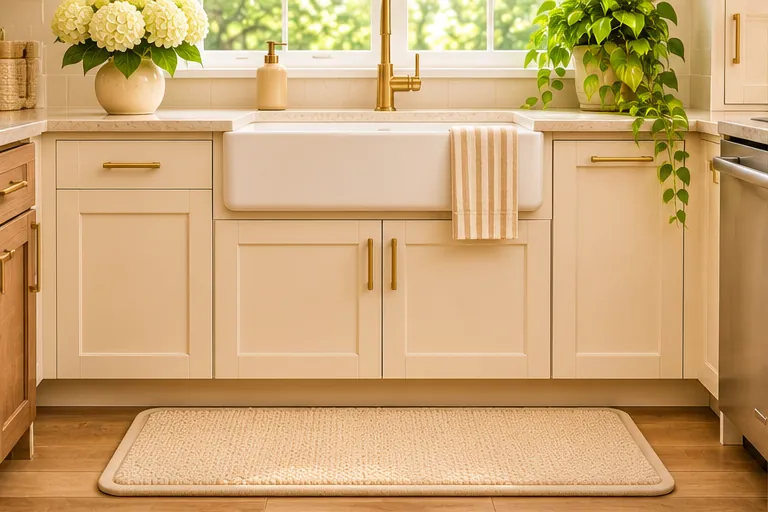
Shop this guide
Products to compare
As an Amazon Associate I earn from qualifying purchases. Picked from Amazon listing details; we have not tested these in person. Illustrations are AI-generated and representative; check Amazon for actual photos, sizes and current details before you buy.
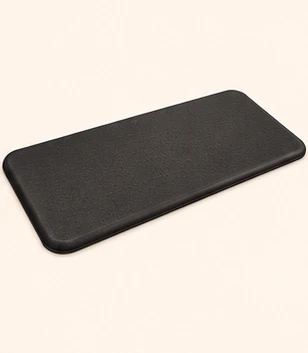
Cushioned kitchen mat
Measure the standing area and door clearance.
View on Amazon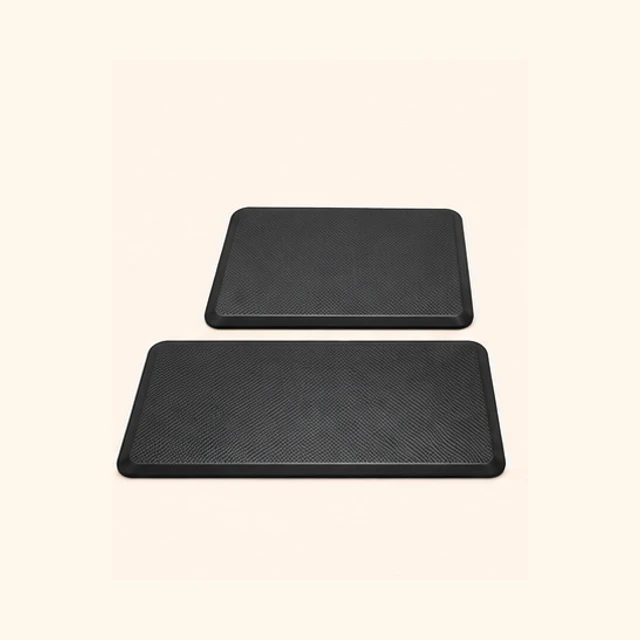
StepRite two-piece mat set
Plan separate sink and prep zones.
View on Amazon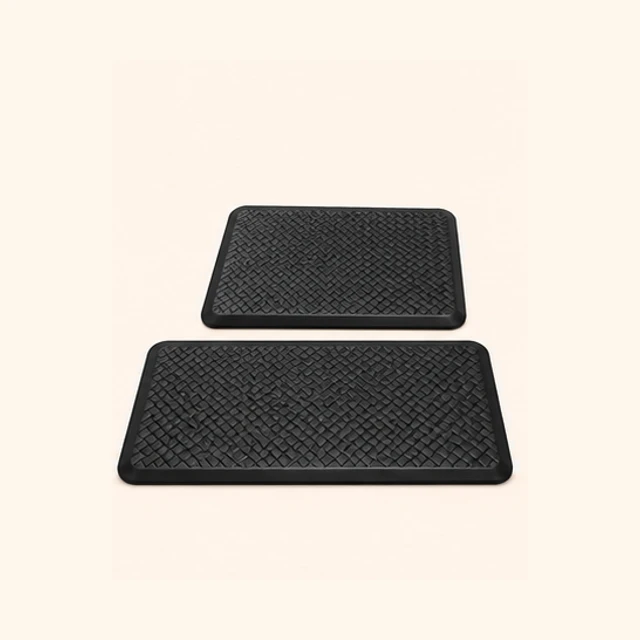
Two-piece cushioned mat set
Check floor compatibility and edge profile.
View on Amazon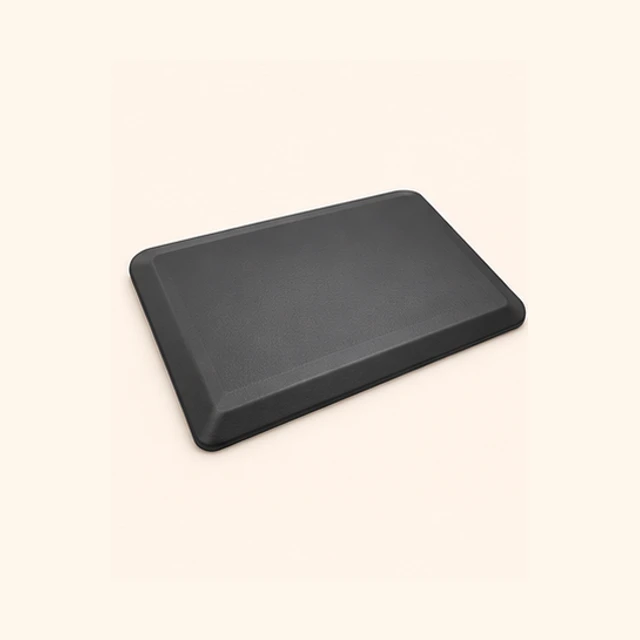
ComfiLife anti-fatigue mat
Compare thickness and clearance at cabinet doors.
View on AmazonWhat they do
The Canadian Centre for Occupational Health and Safety describes anti-fatigue mats as designed to reduce fatigue from standing for long periods on a hard surface, with a cushioning effect that reduces foot fatigue. Research on how much they help is mixed, and no single mat has been shown to be best, so comfort and safety matter more than marketing claims.
Choose a real anti-fatigue mat
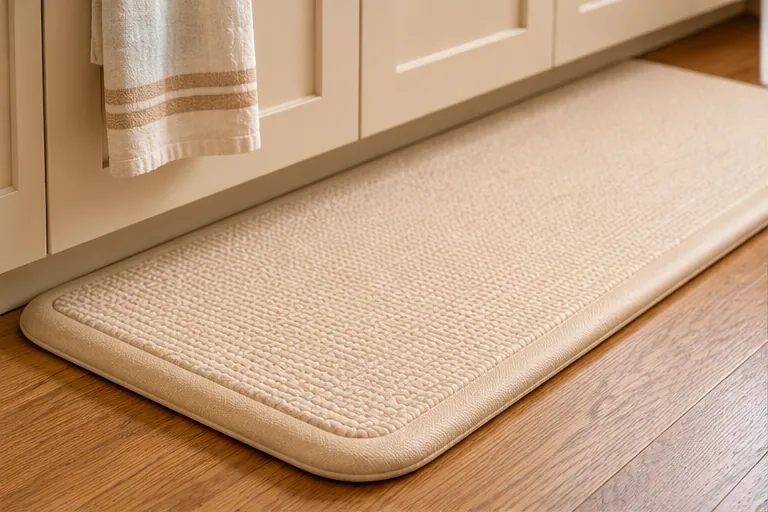
Occupational guidance notes that anti-slip or decorative mats are not the same as anti-fatigue mats. Look for a mat made for standing comfort, firm enough that you do not sink in.
Prevent trips
Beveled edges and a non-slip backing reduce trip and slide risks. Check that the mat does not catch cabinet doors or the dishwasher door when opened.
Size it to where you stand
Measure the area in front of the sink or prep counter. A longer mat covers both if you move between them.
Keep moving
Even with a mat, shifting position and taking breaks help. Supportive shoes matter too. See our small kitchen organization ideas to reduce reaching and walking.
Checklist before you buy
- Length and width of the standing area, with cabinet and dishwasher doors open.
- Beveled edges all around.
- A non-slip backing suited to your floor.
- A surface that wipes clean of spills.
- Thickness that cushions without feeling unstable.
Occupational safety guidance also points out that floor conditions, footwear and the chance to change position all affect comfort. A mat works best alongside supportive shoes and short breaks.
Frequently asked questions
Practical answers about kitchen anti fatigue mats, fit and everyday use.
What features help an anti-fatigue mat stay safe in a kitchen?
Look for stable backing, edges that lie flat and a size that does not interfere with doors or walking routes. Replace a mat if it curls or slips.
Do anti-fatigue mats work?
They can make standing more comfortable; research is mixed, so choose for comfort and safety.
Are anti-fatigue mats the same as anti-slip mats?
No; anti-slip mats are not designed for standing comfort.
What should I look for?
Firm cushioning, beveled edges and a non-slip backing.
Where should a kitchen mat go?
In front of the sink or prep area where you stand longest.
Can a kitchen mat be a trip hazard?
Yes, if edges curl; choose beveled edges and check door clearance.
Sources and further reading
These sources inform general planning and safety guidance; they do not verify a particular retail product.
Independent educational guidance, not a hands-on product test. Verify exact-model specifications, materials, mounting requirements, delivery and return rules before purchase. Affiliate disclosure.